UK Economic Outlook Q3 2026: GDP Growth & Market Shifts
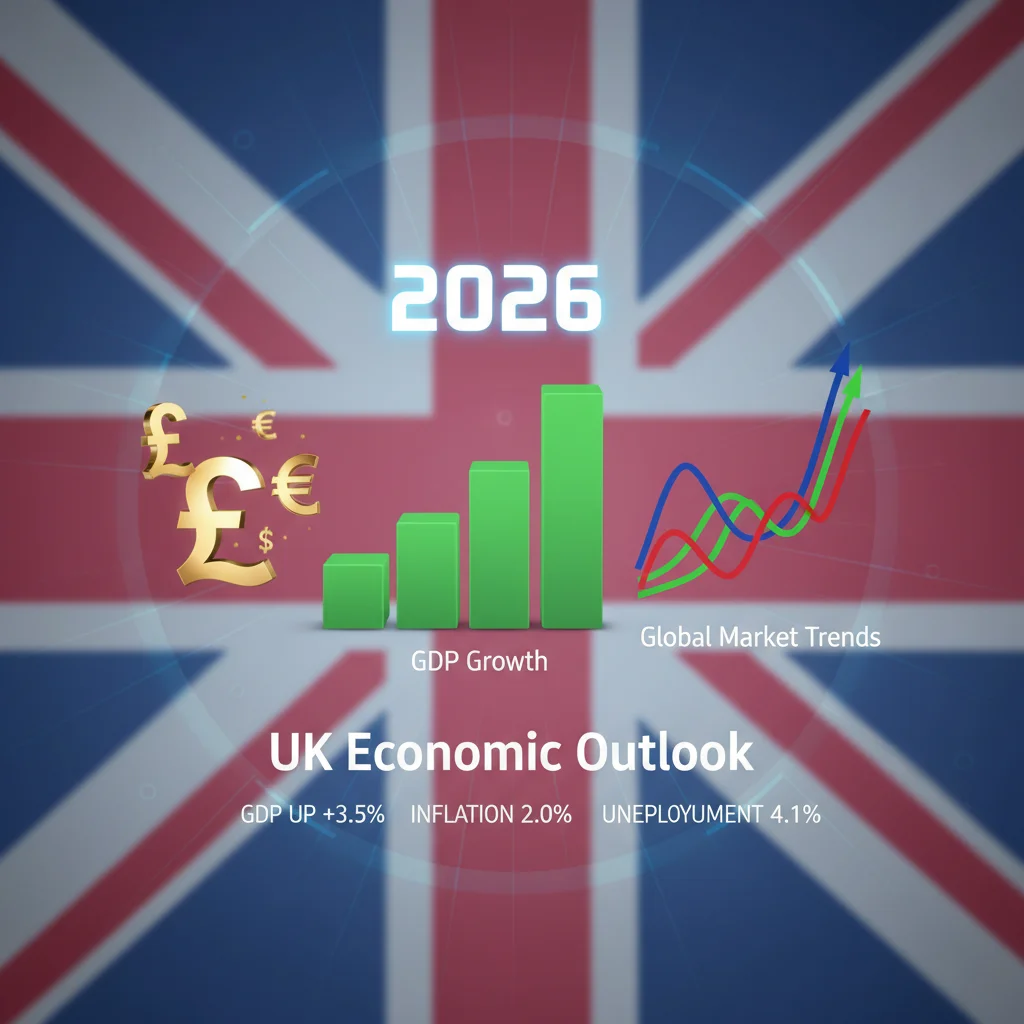
UK Economic Outlook Q3 2026: Experts Predict 1.2% GDP Growth Amidst Global Market Shifts
The United Kingdom’s economic landscape is a subject of constant scrutiny, with businesses, policymakers, and citizens alike keenly watching for signs of stability, growth, or potential headwinds. As we look ahead to Q3 2026, a consensus among leading economic experts points towards a modest yet resilient 1.2% GDP growth. This forecast, while seemingly conservative, reflects a complex interplay of domestic policies, evolving global market dynamics, and the lingering effects of recent economic disruptions. Understanding the nuances of this UK economic outlook is crucial for strategic planning and informed decision-making.
The path to this projected growth is paved with both opportunities and challenges. On one hand, the UK’s robust service sector, coupled with targeted government investments in infrastructure and technology, is expected to provide significant impetus. On the other, persistent inflationary pressures, a tight labor market, and geopolitical uncertainties continue to cast long shadows. This article delves deep into the factors shaping the UK economic outlook for Q3 2026, examining key indicators, sector-specific performance, and the potential impact of global economic shifts.
Understanding the 1.2% GDP Growth Projection
The 1.2% GDP growth forecast for Q3 2026 represents a cautious optimism in the face of a volatile global economic environment. This figure is not an isolated prediction but rather the culmination of extensive data analysis, econometric modeling, and expert consensus from institutions like the Bank of England, the Office for Budget Responsibility (OBR), and various independent economic think tanks. Several core factors underpin this projection:
Domestic Demand and Consumer Spending
Consumer spending, historically a significant driver of the UK economy, is expected to show a steady, albeit moderate, recovery. As inflationary pressures begin to ease and real wages see some improvement, households are anticipated to regain a degree of purchasing power. However, the legacy of higher interest rates and increased cost of living expenses will likely temper any significant surge in discretionary spending. The resilience of the job market, with unemployment rates projected to remain relatively low, will provide a foundational level of consumer confidence, supporting essential spending and contributing positively to the overall UK economic outlook.
Business Investment and Innovation
Business investment is another critical component of GDP growth. For Q3 2026, expectations are that companies will cautiously increase their capital expenditure, particularly in areas related to digital transformation, green technologies, and supply chain resilience. Government incentives, such as tax breaks for R&D and investment allowances, are designed to stimulate this activity. The drive towards net-zero targets is also prompting significant investment in renewable energy and sustainable practices, creating new industries and job opportunities that will bolster the UK economic outlook. However, lingering uncertainty over future regulatory frameworks and global trade relations could still act as a brake on more aggressive investment strategies.
Government Spending and Fiscal Policy
Government spending will continue to play a supportive role, particularly in public services and infrastructure projects. While fiscal prudence remains a priority, targeted investments in healthcare, education, and transport networks are expected. These expenditures not only directly contribute to GDP but also create a more favorable environment for private sector growth. The government’s commitment to leveling up various regions across the UK could also see increased localized investment, stimulating economic activity outside of traditional economic hubs and contributing to a more balanced UK economic outlook.
Net Trade and Export Performance
The UK’s net trade balance (exports minus imports) will be influenced by global economic health and the competitiveness of British goods and services. A stronger global economy could boost demand for UK exports, particularly in advanced manufacturing, financial services, and creative industries. However, persistent trade barriers and supply chain disruptions could hinder export growth. The depreciation or appreciation of the pound sterling will also play a crucial role in determining the competitiveness of UK exports and the cost of imports, directly impacting the UK economic outlook.
Inflation, Interest Rates, and Monetary Policy
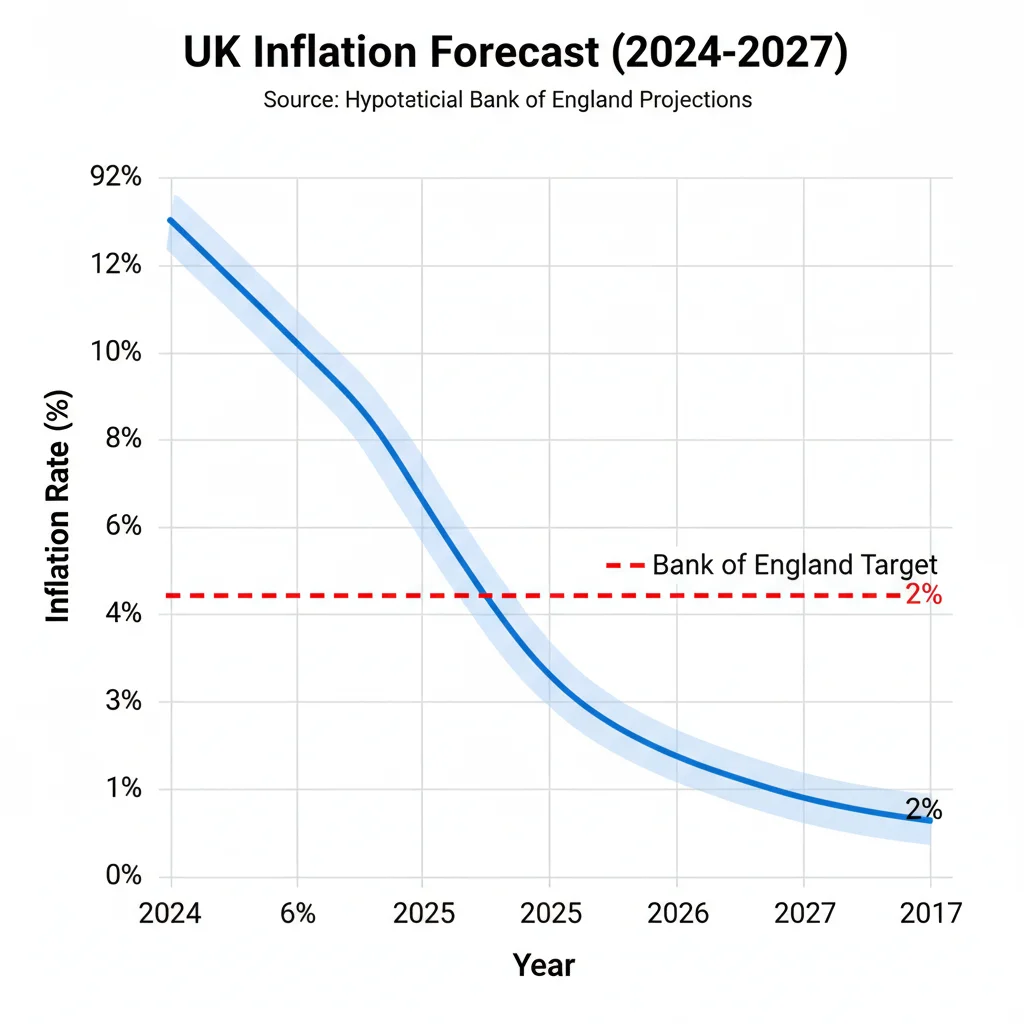
The battle against inflation has been a defining feature of recent economic policy, and its trajectory will remain central to the UK economic outlook in Q3 2026. The Bank of England’s monetary policy committee will continue to monitor inflation data closely, balancing the need to bring inflation back to its 2% target with the imperative to support economic growth.
Inflationary Pressures: Easing but Persistent
By Q3 2026, most economists anticipate that headline inflation will have significantly cooled from its peaks, likely trending towards the Bank of England’s target. However, core inflation, which excludes volatile items like food and energy, might remain stickier due to persistent wage growth and service sector price increases. Factors contributing to this include:
- Energy Prices: While global energy prices have stabilized, geopolitical events could still trigger spikes.
- Food Prices: Supply chain issues, adverse weather events, and global commodity prices will continue to influence food inflation.
- Wage Growth: A tight labor market and demands for higher pay to offset past inflation could keep wage growth elevated, feeding into service sector costs.
- Global Supply Chains: While largely recovered, localized disruptions or new trade barriers could still impact prices.
The sustained efforts to manage these pressures will be a key determinant of the overall economic stability and the confidence of businesses and consumers in the UK economic outlook.
Interest Rate Trajectory
The Bank of England’s interest rate policy will be a critical lever. Having likely reached a peak, the focus will shift to how long rates remain elevated and the pace of any potential cuts. The 1.2% GDP growth forecast suggests that the Bank will have room to maneuver, potentially easing rates if inflation is firmly under control without reigniting price pressures. However, any unexpected resurgence in inflation or significant weakening of the pound could lead to a more hawkish stance. Businesses and homeowners will be closely watching these decisions, as they directly impact borrowing costs and investment decisions, influencing the broader UK economic outlook.
Global Market Shifts and Their Impact on the UK
The UK economy does not operate in a vacuum. Global market shifts, geopolitical events, and the economic performance of major trading partners significantly influence the UK economic outlook. For Q3 2026, several international factors will be particularly relevant.
The State of the Global Economy
The health of the global economy, particularly the Eurozone, the United States, and emerging Asian markets, will directly affect demand for UK exports and the overall sentiment of international investors. A synchronized global recovery would provide a tailwind for the UK, while a slowdown in major economies could dampen growth prospects. The resilience of global supply chains and the stability of international trade relations will also play a crucial role in shaping the UK economic outlook.
Geopolitical Tensions
Ongoing geopolitical tensions, including conflicts in Eastern Europe and the Middle East, as well as evolving relations with China, could introduce volatility. These events can impact commodity prices, disrupt trade routes, and create uncertainty, leading to reduced investment and dampened consumer confidence globally. The UK, with its open economy and significant international financial linkages, is particularly susceptible to such shocks, making geopolitical stability a critical factor in the UK economic outlook.
Technological Advancements and Digital Transformation
The accelerating pace of technological advancement, particularly in artificial intelligence, biotechnology, and renewable energy, presents both opportunities and challenges. The UK’s ability to innovate and adapt to these changes will be crucial for maintaining its competitive edge. Investments in R&D, digital infrastructure, and skills development will be essential to capitalize on these global shifts and enhance the long-term UK economic outlook.
Sector-Specific Performance and Contributions
While the overall GDP growth provides a headline figure, a deeper dive into sector-specific performance reveals the underlying strengths and vulnerabilities of the UK economy. Different sectors will contribute in varying degrees to the 1.2% growth projected for Q3 2026.
Services Sector: The Enduring Engine
The services sector, which accounts for over 80% of the UK’s economic output, will remain the primary driver of growth. Within this, financial and business services are expected to show continued resilience, adapting to new regulatory environments and leveraging technological advancements. The creative industries, including digital media, arts, and entertainment, are also anticipated to expand, driven by global demand and the UK’s strong talent base. Hospitality and tourism, having recovered from the pandemic, will likely see sustained growth, supported by both domestic and international visitors, thereby bolstering the UK economic outlook.
Manufacturing and Industrials: Innovation and Green Transition
The manufacturing sector, while a smaller proportion of GDP, is expected to see growth driven by innovation, automation, and the transition to green technologies. High-value manufacturing, such as aerospace, automotive (especially electric vehicles), and pharmaceuticals, will likely lead the way. Investment in advanced manufacturing techniques and sustainable production processes will be key to enhancing competitiveness and contributing to the positive UK economic outlook. However, energy costs and global competition will remain significant challenges.
Construction: Infrastructure and Housing
The construction sector is poised for growth, fueled by government infrastructure projects (e.g., HS2, renewable energy installations) and a steady demand for housing. While rising interest rates have cooled the housing market from its peak, underlying demand and government initiatives to boost housing supply will provide a stable foundation. Commercial construction, particularly for logistics and data centers, is also expected to contribute, supporting the overall UK economic outlook.
Technology and Digital Economy: Continued Expansion
The technology and digital economy sectors are expected to continue their rapid expansion. The UK’s vibrant tech startup scene, coupled with significant investment in AI, cybersecurity, and fintech, positions it as a global leader in these areas. This growth will not only contribute directly to GDP but also drive productivity improvements across other sectors, making it a pivotal component of the future UK economic outlook.

Risks and Headwinds to the UK Economic Outlook
While the 1.2% GDP growth forecast reflects a baseline expectation, it is crucial to acknowledge the potential risks and headwinds that could alter this trajectory. A comprehensive understanding of these challenges is vital for robust risk management and agile policy responses, particularly when considering the long-term UK economic outlook.
Persistent Inflationary Pressures
Despite expectations of cooling, inflation could prove more stubborn than anticipated. Unexpected shocks to energy or food supply, or a stronger-than-expected wage-price spiral, could force the Bank of England to maintain higher interest rates for longer, potentially stifling economic growth and dampening consumer and business confidence. The risk of entrenched inflation remains a significant concern for the UK economic outlook.
Global Economic Slowdown
A more pronounced slowdown in major global economies, such as the US or the Eurozone, could reduce demand for UK exports and impact international investment flows. This would directly affect the UK’s trade balance and could lead to a contraction in key export-oriented sectors, thereby negatively impacting the UK economic outlook.
Geopolitical Instability
Escalating geopolitical conflicts or new international crises could disrupt global trade, increase commodity prices, and create widespread uncertainty. Such events often lead to a flight to safety for investors, potentially impacting the UK’s financial markets and its ability to attract foreign direct investment, posing a substantial risk to the UK economic outlook.
Labor Market Challenges
While a tight labor market supports wage growth, persistent labor shortages in key sectors could constrain production and service delivery, leading to higher labor costs and potentially reduced competitiveness. Addressing skills gaps and improving labor force participation will be critical to sustaining long-term growth and maintaining a positive UK economic outlook.
Public Debt and Fiscal Constraints
The UK’s relatively high level of public debt limits the government’s fiscal flexibility to respond to future economic shocks. While current spending plans are factored into the forecast, any significant deviation or unexpected need for increased public expenditure could necessitate difficult fiscal choices, potentially impacting economic growth and the overall UK economic outlook.
Opportunities for the UK Economy
Beyond the challenges, several opportunities could provide additional upside to the UK economic outlook for Q3 2026 and beyond.
Green Economy Transition
The UK’s ambitious net-zero targets are driving significant investment in renewable energy, electric vehicle manufacturing, and sustainable technologies. This transition presents a massive opportunity for job creation, innovation, and export growth in green industries, positioning the UK as a leader in the global green economy and enhancing its long-term UK economic outlook.
Technological Leadership
The UK has a strong foundation in research and development, particularly in areas like AI, quantum computing, and life sciences. Continued investment and strategic partnerships in these sectors can accelerate innovation, drive productivity gains, and create high-value jobs, further solidifying the UK economic outlook as a hub for future technologies.
Global Trade Agreements
Successful negotiation and implementation of new trade agreements with key partners around the world could open up new markets for UK goods and services, boosting exports and attracting foreign investment. Diversifying trade relationships beyond traditional partners is a strategic imperative for the UK economic outlook.
Resilience and Adaptability
The UK economy has demonstrated considerable resilience in the face of recent global shocks. This adaptability, coupled with a flexible labor market and a strong legal and regulatory framework, provides a solid foundation for navigating future uncertainties and leveraging emerging opportunities, contributing positively to the UK economic outlook.
Conclusion: A Balanced Perspective on the UK Economic Outlook
The UK economic outlook for Q3 2026, with its projected 1.2% GDP growth, paints a picture of gradual recovery and cautious optimism. This forecast is a testament to the underlying strengths of the UK economy, particularly its dynamic services sector, innovative technology landscape, and commitment to green growth. However, it also acknowledges the persistent challenges posed by inflation, global market volatility, and geopolitical uncertainties.
Policymakers will need to maintain a delicate balance between controlling inflation and fostering an environment conducive to sustainable growth. Businesses will need to remain agile, investing in productivity-enhancing technologies and adapting to evolving consumer demands. For individuals, understanding these economic trends is key to making informed financial decisions. The UK economic outlook for Q3 2026 suggests a period of steady, if unspectacular, progress, with the nation continuing to navigate a complex global economic environment with resilience and strategic focus.
The coming quarters will be crucial in determining whether the UK can not only meet but potentially exceed these expectations. The ability to harness technological advancements, embrace the green transition, and forge strong international partnerships will be paramount to securing a robust and prosperous future for the UK economy. The journey ahead requires vigilance, adaptability, and a collective commitment to long-term economic stability and growth.