
Understanding and navigating the landscape of Disability Benefits UK can be a complex and often daunting task. For millions of individuals living with disabilities across the United Kingdom, these benefits represent a vital lifeline, providing essential financial support to help manage daily living costs, mobility needs, and the myriad other expenses associated with a long-term health condition or disability. As we approach 2026, it’s more crucial than ever to be fully informed about the latest policy updates, eligibility criteria, and application processes to ensure you are maximizing your entitlements.
The UK government regularly reviews and updates its welfare policies, and these changes can significantly impact those relying on disability benefits. Our aim with this comprehensive guide is to demystify these changes, offering clear, actionable advice on how to understand, apply for, and ultimately maximize your Disability Benefits UK. We will delve into the core benefits such as Personal Independence Payment (PIP) and Disability Living Allowance (DLA), explore upcoming changes for 2026, and provide practical strategies for navigating the system effectively.
The Core of Disability Benefits UK: PIP and DLA Explained
At the heart of the Disability Benefits UK system are two primary non-means-tested benefits: Personal Independence Payment (PIP) and Disability Living Allowance (DLA). Understanding the distinctions and eligibility for each is the first step towards securing the support you need.
Personal Independence Payment (PIP)
PIP is designed to help with the extra costs of living with a long-term health condition or disability. It is for individuals aged 16 up to State Pension age. PIP is divided into two components: a daily living component and a mobility component, each payable at a standard or enhanced rate.
- Daily Living Component: This helps with everyday tasks such as preparing food, washing and bathing, managing medication, communicating, and engaging with other people.
- Mobility Component: This helps with getting around, including planning and following journeys, and physical movement.
Eligibility for PIP is based on how your condition affects you, not the condition itself. The Department for Work and Pensions (DWP) assesses your ability to carry out a range of activities and assigns points based on the level of difficulty and assistance you require. It’s crucial to provide a detailed account of how your disability impacts your daily life during the application process.
Disability Living Allowance (DLA)
DLA is the predecessor to PIP and is still available for children under 16. For adults, DLA has largely been replaced by PIP, though some adults who were receiving DLA before the introduction of PIP may still be on DLA. Like PIP, DLA has a care component and a mobility component, each with different rates.
- Care Component: For help with personal care needs.
- Mobility Component: For help with getting around.
If your child is under 16 and has a disability, DLA can provide crucial support. When they turn 16, they will typically be invited to apply for PIP. Understanding this transition is vital for continuous support.
Navigating the 2026 Policy Updates for Disability Benefits UK
The UK government is continually refining its welfare system, and 2026 is expected to bring further adjustments to Disability Benefits UK. While specific legislative details are often subject to ongoing parliamentary debate, several key themes and potential changes are emerging that individuals should be aware of.
Focus on Health and Work Integration
A significant trend in recent years has been the government’s emphasis on supporting disabled individuals to enter or remain in employment where possible. We can anticipate further policies aimed at integrating health and work, potentially including:
- Enhanced Employment Support: Greater funding or revamped programmes for schemes like Access to Work, offering practical support to help disabled people start or stay in work. This might include adaptations to workplaces, specialist equipment, or support with travel costs.
- Reforms to Work Capability Assessments (WCAs): The WCA, which determines eligibility for the Universal Credit (UC) limited capability for work and work-related activity element, is frequently reviewed. Future changes could aim to make the assessment process more streamlined or to focus more on an individual’s potential for work with support, rather than solely on their inability to work.
- Closer Linkages with Health Services: Increased collaboration between the DWP and NHS to provide integrated support, potentially offering more proactive health interventions or rehabilitation services to help individuals manage their conditions and improve their work prospects.
Potential Adjustments to PIP Assessments
The PIP assessment process has been a subject of ongoing scrutiny. While no radical overhaul is currently confirmed for 2026, the DWP continues to explore ways to improve the claimant experience and the accuracy of assessments. Potential adjustments could include:
- Review of Assessment Criteria: Minor adjustments to the points system or descriptors used in PIP assessments to better reflect the impact of certain conditions, particularly non-visible disabilities or fluctuating conditions.
- Increased Use of Evidence-Based Assessments: A push for assessors to rely more heavily on medical evidence from healthcare professionals, reducing the need for multiple face-to-face assessments where sufficient evidence already exists.
- Improved Training for Assessors: Ongoing efforts to enhance the training and understanding of assessors regarding a wider range of disabilities and their impacts.
Digitalisation and Streamlining of Services
The digital transformation of government services is an ongoing process. For Disability Benefits UK, this could mean:
- Enhanced Online Application Portals: More user-friendly and comprehensive online systems for applying for benefits, submitting evidence, and managing claims.
- Digital Communication: Increased use of digital channels for communication between claimants and the DWP, potentially leading to faster processing times and greater transparency.
It’s important to note that these are potential areas of change based on current policy directions and ongoing discussions. Staying informed through official DWP announcements and reputable disability charities will be essential as 2026 approaches.
Maximizing Your Entitlements: A Strategic Approach
Securing and maximizing your Disability Benefits UK requires a strategic and informed approach. It’s not just about filling out a form; it’s about effectively communicating the impact of your disability.
1. Thorough Preparation is Key
Before you even start an application, gather all relevant information and documentation. This includes:
- Medical Evidence: Diagnosis letters, specialist reports, prescription lists, therapy records, hospital discharge summaries. The more comprehensive and recent, the better.
- Personal Statement: A detailed account of how your condition affects your daily life. Be specific, use examples, and describe a typical bad day as well as an average one. Don’t underestimate the impact of your condition on seemingly simple tasks.
- Support Letters: From carers, family members, or support workers who can attest to the difficulties you face.
Remember, the DWP assessors are not medical experts in your specific condition. Their job is to understand how your condition affects your functional abilities based on the evidence you provide. Therefore, clarity and detail are paramount.
2. Understanding the Assessment Criteria
Familiarize yourself with the descriptors used for PIP and DLA. These are publicly available and outline the activities and the points awarded for various levels of difficulty. Understanding these will help you tailor your application to directly address the criteria the DWP uses for assessment.
- PIP Daily Living Activities: Preparing food, eating and drinking, managing treatment, washing and bathing, managing toilet needs, dressing and undressing, communicating, reading, engaging with others, making budgeting decisions.
- PIP Mobility Activities: Planning and following journeys, moving around.
For each activity, consider how your condition affects you consistently, even if it fluctuates. If you can only perform an activity safely, reliably, repeatedly, and in a reasonable time, then you should consider yourself unable to do it for the purposes of the assessment.
3. The Application Process: Tips for Success
The application process for Disability Benefits UK can be lengthy. Here are some tips:
- Be Honest and Consistent: Always describe your worst days, but accurately. Consistency across your application form, medical evidence, and any face-to-face assessment is vital.
- Don’t Understate Your Difficulties: Many people tend to downplay their struggles. Be realistic about the help you need and the difficulties you encounter, even if you try to manage independently.
- Keep a Diary: For a few weeks before applying, keep a diary of your daily struggles. This provides concrete examples to include in your application and discuss during an assessment.
- Seek Assistance: Organisations like Citizens Advice, Scope, or local disability charities can provide invaluable assistance with completing forms, gathering evidence, and preparing for assessments.
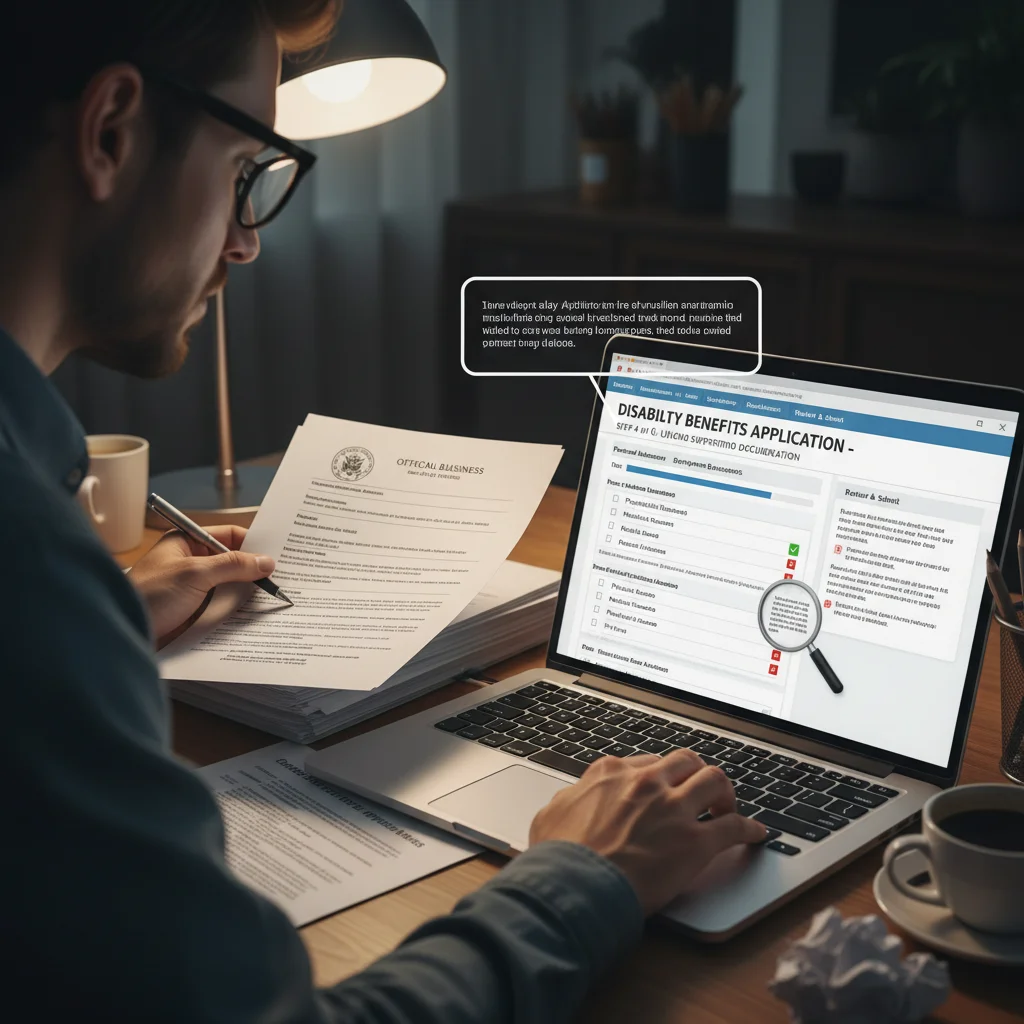
4. The Assessment Interview (if applicable)
If you are invited for a face-to-face or telephone assessment, it is a critical part of the process. Here’s how to prepare:
- Bring a Companion: Having a friend, family member, or support worker with you can be incredibly helpful. They can offer moral support, take notes, and even contribute to the discussion if you forget something or struggle to articulate your points.
- Be Yourself: Don’t try to put on a brave face. Explain your difficulties as they genuinely are. If you struggle with sitting for long periods, don’t pretend you are comfortable.
- Explain, Don’t Just Answer: Don’t just give yes/no answers. Explain how your condition affects you in relation to each activity. For example, instead of saying ‘Yes, I can cook,’ explain, ‘I can prepare a simple meal, but it takes me three times as long due to pain and fatigue, and I often need to sit down several times during the process.’
- Be Prepared for General Questions: Assessors might ask seemingly unrelated questions to gauge your cognitive function or mobility. Answer truthfully but always link back to how your disability impacts you.
Beyond PIP and DLA: Other Disability Benefits UK Support
While PIP and DLA are central, other forms of Disability Benefits UK can provide additional support:
- Employment and Support Allowance (ESA): Provides financial support if you have a disability or health condition that affects how much you can work. It also offers personalized support to help you work if you’re able to.
- Universal Credit (UC): A means-tested benefit that can include extra elements for individuals with a disability or health condition that limits their capability for work.
- Attendance Allowance: For individuals over State Pension age who need care or supervision due to a disability. It is not means-tested.
- Carer’s Allowance: If someone spends at least 35 hours a week caring for you and you receive certain disability benefits, they might be eligible for Carer’s Allowance.
- Council Tax Reduction: You might be able to get a reduction on your Council Tax bill if you or someone you live with is disabled.
- Blue Badge Scheme: Provides parking concessions for disabled people.
- Disabled Persons Railcard/Bus Pass: Offers reduced fares on public transport.
It’s vital to explore all avenues of support. Many of these benefits can be claimed in conjunction with PIP or DLA, depending on your individual circumstances.
Appeals and Reconsiderations: What to Do if You’re Denied
Receiving a denial or a lower award than expected can be disheartening, but it’s not the end of the road. The Disability Benefits UK system has an appeals process designed to address such situations.
Mandatory Reconsideration (MR)
This is the first step. If you disagree with a DWP decision, you must request a Mandatory Reconsideration within one month of the decision letter. During an MR, a different decision maker at the DWP reviews your case, considering any new evidence or arguments you provide. It’s an opportunity to clarify points and submit additional documentation that might have been overlooked or not fully understood initially.
Appeals to an Independent Tribunal
If the Mandatory Reconsideration doesn’t change the decision in your favour, you can then appeal to an independent tribunal. This is a formal legal process where a judge and usually a medical professional and a disability expert review your case. This is your chance to present your case in person (or via telephone/video link) and explain the impact of your disability directly to an impartial panel.
- Preparation is Key: Gather all your evidence, including the original application, the decision letter, the MR notification, and any new medical reports.
- Seek Expert Advice: Organisations like Citizens Advice or specialist welfare rights advisors can offer crucial support in preparing your appeal, advising on legal arguments, and even representing you at the tribunal.
- Don’t Be Afraid to Attend: Attending the tribunal significantly increases your chances of a successful outcome. It allows the panel to ask questions and gain a deeper understanding of your situation.
The appeals process can be lengthy and stressful, but many decisions are overturned at tribunal, highlighting the importance of pursuing your rights.
Future Outlook and Advocacy for Disability Benefits UK
The landscape of Disability Benefits UK is constantly evolving, influenced by economic factors, social policy objectives, and ongoing advocacy from disability rights organisations. As we look towards 2026 and beyond, continued advocacy will be crucial to ensure the system adequately supports disabled individuals.
The Role of Advocacy Groups
Disability charities and advocacy groups play a vital role in lobbying the government for fair and effective policies. They provide invaluable support to individuals, conduct research, and highlight systemic issues within the benefits system. Supporting these organisations or engaging with their campaigns can contribute to positive change.
Staying Informed
Given the dynamic nature of welfare policy, staying informed is paramount. Regularly check official government websites (Gov.uk), follow reputable news sources, and engage with disability support organisations for the latest updates on Disability Benefits UK. Policy changes can affect eligibility, payment rates, and application procedures, so being up-to-date ensures you can adapt and respond effectively.
Personal Responsibility and Empowerment
Ultimately, maximizing your Disability Benefits UK is an exercise in personal responsibility and empowerment. It involves understanding your rights, meticulously preparing your applications, effectively communicating your needs, and being prepared to challenge adverse decisions. While the system can be challenging, with the right information and support, it is possible to navigate it successfully and secure the financial assistance you are entitled to.
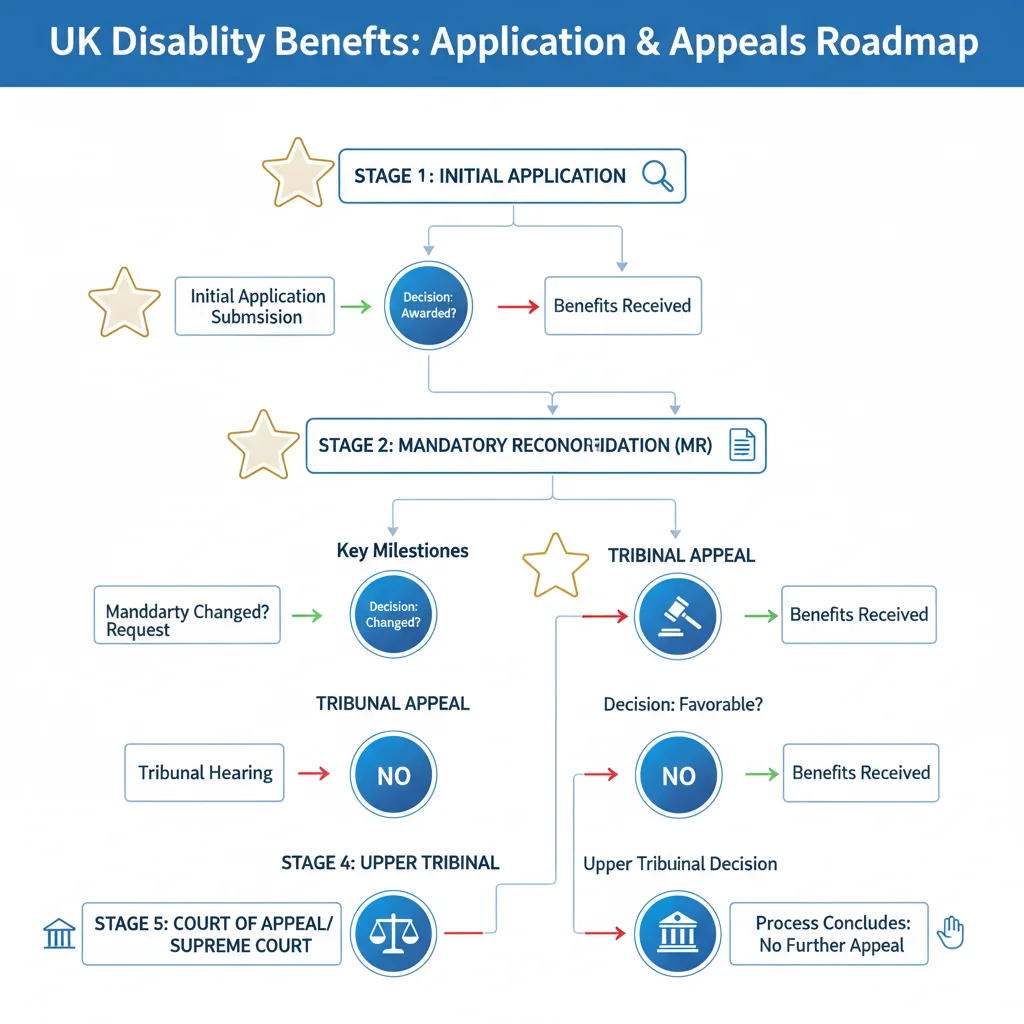
The journey through the Disability Benefits UK system can be a long one, but remember that you are not alone. Millions of people receive these benefits, and a wealth of support and information is available. By understanding the policies, preparing thoroughly, and knowing your options for appeal, you can significantly improve your chances of receiving the vital support you deserve, helping to enhance your quality of life and manage the extra costs associated with living with a disability.