ESA Changes 2026: DWP Review & Impact on 1.5 Million Claimants

Navigating the Future: Understanding the Major ESA Changes 2026 and Their Impact
The landscape of welfare benefits in the United Kingdom is in a constant state of evolution, and few changes are as significant as those slated for Employment Support Allowance (ESA) in 2026. The Department for Work and Pensions (DWP) has embarked on a comprehensive review, the implications of which are set to reshape the lives of approximately 1.5 million claimants. This article delves deep into the anticipated ESA Changes 2026, providing a detailed analysis of what these reforms entail, who will be affected, and how individuals can prepare for the future.
For many, ESA has been a critical lifeline, offering financial support to those whose health condition or disability affects their ability to work. The forthcoming adjustments are not merely administrative tweaks; they represent a fundamental shift in how the government approaches disability and employment support. Understanding these changes is paramount for claimants, their families, and support organisations.
We will explore the rationale behind the DWP’s decision, the specific policy alterations, and the broader context of welfare reform. Our aim is to equip you with the knowledge needed to navigate these complex reforms, ensuring you are well-informed and prepared for the challenges and opportunities that lie ahead.
The Rationale Behind the ESA Changes 2026: Why Now?
The DWP’s decision to implement significant ESA Changes 2026 is rooted in several factors, primarily driven by the government’s broader welfare reform agenda. This agenda aims to streamline the benefits system, encourage greater employment, and ensure fiscal sustainability. The Universal Credit (UC) system, introduced as a flagship reform, is designed to replace several legacy benefits, including ESA. While the transition to UC has been ongoing for years, 2026 marks a crucial phase for ESA claimants.
Streamlining the Welfare System
One of the primary objectives is to simplify the complex web of existing benefits. The DWP argues that a unified system under Universal Credit will reduce administrative burdens, improve efficiency, and make it easier for claimants to understand their entitlements. However, critics often point out that this simplification can come at the cost of tailored support, especially for those with complex needs.
Focus on Work Capability and Employment
A central tenet of the DWP’s approach is to shift the focus from incapacity to work capability. The government believes that with appropriate support, many individuals currently receiving ESA due to health conditions or disabilities could move towards some form of employment. This perspective underpins many of the proposed changes, including modifications to work capability assessments and the emphasis on work-related activity.
Fiscal Responsibility and Economic Context
The economic climate also plays a significant role. With increasing pressures on public finances, the government is continually seeking ways to manage welfare expenditure. The ESA Changes 2026 are, in part, an effort to ensure that benefits are targeted effectively and that the system is sustainable in the long term. This often translates into stricter eligibility criteria and a greater emphasis on re-evaluating existing claims.
Understanding these underlying motivations is crucial for comprehending the nature and direction of the reforms. It helps to contextualize why certain aspects of ESA are being targeted and what the DWP hopes to achieve through these significant adjustments.
Key Policy Changes Affecting ESA Claimants in 2026
The anticipated ESA Changes 2026 are multifaceted, touching upon various aspects of the benefit, from eligibility to the support mechanisms in place. While the full details are still being finalised, several key policy shifts have been outlined or are strongly anticipated.
Managed Migration to Universal Credit
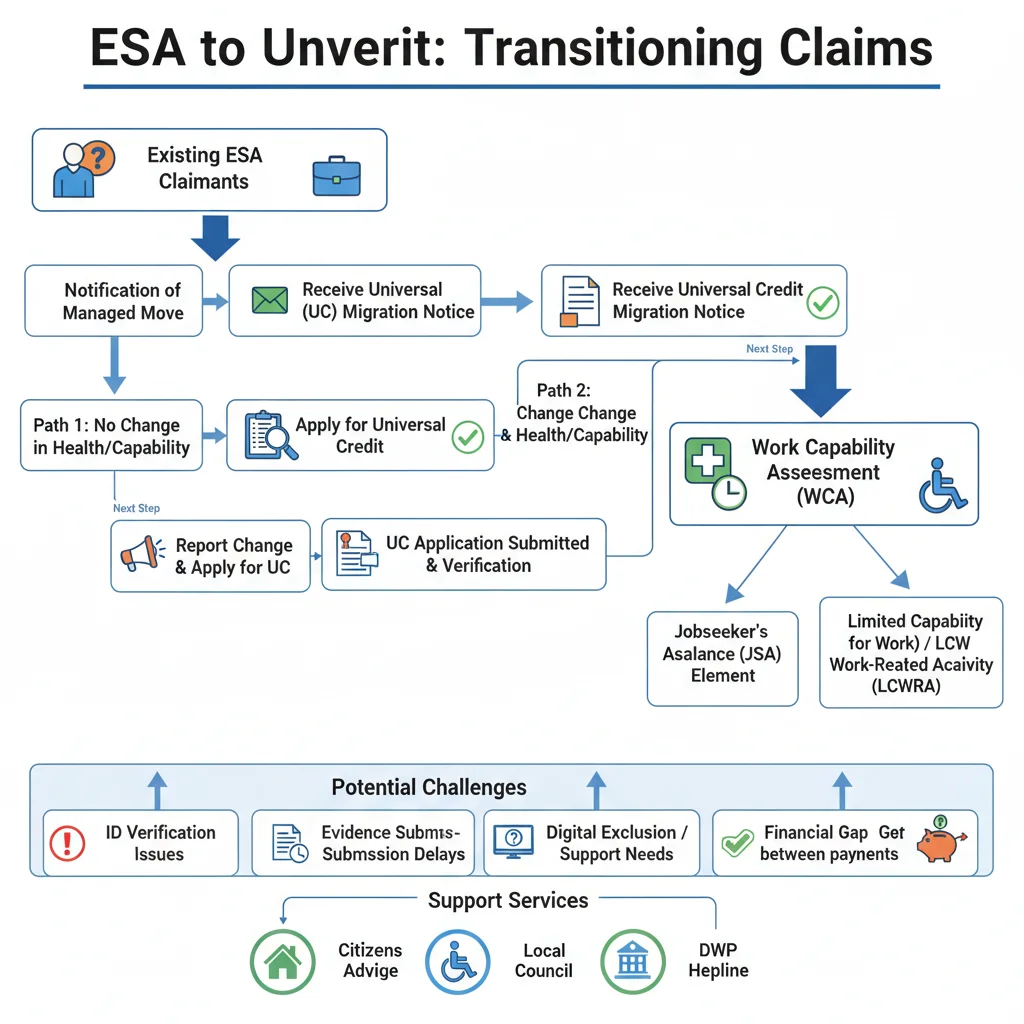
Perhaps the most significant change for existing ESA claimants is the acceleration of managed migration to Universal Credit. This process involves moving claimants from legacy benefits, including ESA, onto the UC system. While some ESA claimants have already transitioned, 2026 is expected to see a substantial push to migrate the remaining caseload. This transition is not always straightforward, and understanding the implications for your specific circumstances is vital.
Under Universal Credit, the structure of support for those with health conditions or disabilities differs from ESA. The ‘Limited Capability for Work and Work-Related Activity’ (LCWRA) element within UC is the equivalent of the ESA Support Group, and the ‘Limited Capability for Work’ (LCW) element is comparable to the ESA Work-Related Activity Group. However, the assessment criteria and the level of financial support can vary.
Revisions to the Work Capability Assessment (WCA)
The Work Capability Assessment (WCA) has long been a contentious aspect of the benefits system. The DWP is expected to introduce further revisions to the WCA, aiming to make it ‘fairer’ and more ‘accurate’ in assessing an individual’s ability to work. These revisions could include changes to the descriptors used to determine eligibility for the LCWRA or LCW elements, potentially impacting who qualifies for these higher levels of support.
Any changes to the WCA are likely to have a profound effect on claimants. A stricter assessment could lead to more individuals being deemed fit for work or placed in a lower support group, thereby reducing their benefit entitlement. Conversely, improvements in the assessment process could lead to a more accurate reflection of an individual’s work capability.
Changes to Premiums and Additional Payments
With the migration to Universal Credit, many of the additional premiums previously available with legacy benefits like ESA are being phased out. For instance, the Severe Disability Premium and Enhanced Disability Premium, which provided extra financial support, are not directly replicated in Universal Credit. Instead, UC incorporates these needs into a single, comprehensive payment, which can sometimes lead to a reduction in overall income for some claimants.
The DWP has introduced transitional protection for some claimants moving from legacy benefits to Universal Credit, designed to ensure that their benefit entitlement does not immediately drop. However, this protection is not indefinite and can erode over time due to changes in circumstances or benefit upratings.
Increased Focus on Support for Work
The reforms are also expected to place a greater emphasis on providing support to help claimants move closer to the labour market. This could involve enhanced access to employment support programmes, vocational training, and tailored advice. While the intention is to empower individuals, the effectiveness of these programmes in addressing the complex barriers faced by those with health conditions and disabilities will be crucial.
Claimants in the Work-Related Activity Group (WRAG) under ESA (or the LCW group under UC) are already expected to engage in activities aimed at improving their employability. The ESA Changes 2026 may intensify these expectations, with a stronger focus on demonstrating active steps towards employment.
Who Will Be Affected by the ESA Changes 2026?
The impact of the ESA Changes 2026 will be felt by a significant portion of the UK population. Approximately 1.5 million individuals currently claiming Employment Support Allowance stand to be affected. This includes a diverse group of people, each with unique circumstances and varying degrees of vulnerability.
Existing ESA Claimants
The primary group affected will be existing ESA claimants, particularly those still receiving ‘legacy’ ESA (income-related or contribution-based ESA) who have not yet migrated to Universal Credit. These individuals will be subject to the managed migration process, which can be a source of anxiety and confusion. Understanding the specific type of ESA you receive is the first step in assessing your personal impact.
Claimants in both the Support Group and the Work-Related Activity Group will need to be aware of how their entitlements might change under Universal Credit. While transitional protection is available, it is not a permanent solution, and future changes in circumstances could lead to a reduction in overall benefit.
New Claimants for Disability and Health-Related Benefits
Individuals who would have previously claimed ESA but are now making new claims will automatically be placed onto Universal Credit. They will not experience the managed migration process but will be immediately subject to the UC system’s rules regarding health conditions and disabilities. This means a different assessment process and potentially different levels of financial support compared to the traditional ESA system.
Carers and Families of Claimants
The impact extends beyond the individual claimant to their carers and families. Any reduction in benefit income for an ESA claimant can have a ripple effect, increasing financial strain on the entire household. Carers may find themselves needing to provide additional support, both practical and financial, to their loved ones. The interaction between Carer’s Allowance and Universal Credit also needs careful consideration.
Individuals with Long-Term Health Conditions and Disabilities
Those with severe or long-term health conditions and disabilities are often the most vulnerable to welfare reforms. The changes to the Work Capability Assessment and the shift to Universal Credit could present significant challenges for these individuals, particularly if their complex needs are not adequately recognised or if the support services prove insufficient.
It is crucial for all affected individuals to seek personalised advice and support to understand how the ESA Changes 2026 will specifically impact their situation. Proactive engagement with support organisations and careful planning will be key to navigating these transitions successfully.
Preparing for the ESA Changes 2026: Practical Steps
Given the scale of the impending ESA Changes 2026, proactive preparation is not just advisable, but essential. Taking concrete steps now can help mitigate potential disruptions and ensure a smoother transition. Here are some practical steps claimants can take:
1. Understand Your Current Benefit Status
The first step is to clearly understand what type of ESA you are currently receiving (income-related or contribution-based) and whether you are in the Support Group or Work-Related Activity Group. Gather all relevant documentation related to your claim, including assessment reports and award letters. Knowing your current baseline is crucial for understanding how any changes will affect you.
2. Research Universal Credit (UC)
Familiarise yourself with the Universal Credit system. Understand how UC is structured, particularly the elements related to health conditions and disabilities (LCW and LCWRA). The DWP website and various welfare rights organisations provide extensive information on UC. Pay attention to how earnings, savings, and household composition affect UC payments, as these differ from legacy benefits.
3. Seek Expert Advice
Do not attempt to navigate these changes alone. Organisations like Citizens Advice, Disability Rights UK, and local welfare rights centres offer free, impartial, and expert advice. They can help you understand your specific situation, explain the migration process, and advise on potential impacts to your benefit entitlement. They can also assist with challenging decisions or making new claims.
4. Document Your Health Condition and Its Impact
If you anticipate a Work Capability Assessment under Universal Credit, start gathering and organising medical evidence now. This includes letters from doctors, specialists, therapists, and any other healthcare professionals. Keep a detailed diary of how your health condition or disability affects your daily life and your ability to carry out work-related activities. This evidence will be vital in supporting your claim for the LCWRA or LCW elements.
5. Budget and Financial Planning
Consider reviewing your household budget. If there is a possibility of a reduction in your benefit income, understanding your current expenditure and identifying areas where you might save can be beneficial. Explore other potential sources of income or support you might be eligible for, such as local council tax reductions or housing benefit (if not already covered by UC).
6. Stay Informed About DWP Communications
The DWP will communicate directly with claimants who are due to be migrated to Universal Credit. It is crucial to open and read all correspondence from the DWP carefully. These letters will contain vital information about timelines, actions you need to take, and where to seek further information. Ignoring these communications could lead to delays or even a loss of benefits.
7. Engage with Support Services
If you are in the Work-Related Activity Group or expect to be in the Limited Capability for Work group under UC, consider engaging with any available employment support services. Even if you are not currently able to work, these services can provide valuable skills, build confidence, and help you understand the types of support available if and when you are ready to consider employment.
By taking these proactive steps, claimants can better prepare for the significant ESA Changes 2026 and navigate the transition with greater confidence and understanding.
The Broader Impact: Social and Economic Implications
The ESA Changes 2026 are not just about individual benefit entitlements; they have broader social and economic implications that will resonate across the UK. Understanding these wider impacts is crucial for a holistic view of welfare reform.
Increased Poverty and Hardship
A significant concern raised by welfare charities and advocacy groups is the potential for increased poverty and hardship. If the changes lead to a reduction in benefit income for a substantial number of claimants, it could push more households into financial distress. This, in turn, can exacerbate existing health conditions, mental health issues, and social isolation, creating a vicious cycle of disadvantage.
Strain on Public Services
Any increase in poverty or unmet needs could place additional strain on other public services, including the NHS, local authority social care, and charitable organisations. As individuals struggle to cope with reduced income or navigate a complex benefits system, they may require more support from these services, potentially diverting resources from other areas.
Impact on the Labour Market
The DWP’s stated aim of moving more people into employment is laudable, but the actual impact on the labour market is complex. While some individuals may successfully transition into work, others may face significant barriers, including discrimination, lack of suitable accessible employment, or insufficient support to overcome their health-related challenges. A mismatch between skills, health conditions, and available jobs could lead to underemployment or continued unemployment for many.
Mental Health and Well-being
The uncertainty and stress associated with welfare reforms can have a profound impact on the mental health and well-being of claimants. The fear of losing benefits, the complexity of the application and assessment processes, and the stigma often associated with claiming benefits can contribute to anxiety, depression, and a sense of hopelessness. Support for mental health will be critical during this transitional period.
Role of Support Organisations
Charities, advocacy groups, and local support organisations will play an even more critical role in assisting claimants through these changes. They provide essential advice, representation, and emotional support. However, these organisations themselves often face funding challenges, and an increased demand for their services could stretch their resources thin.
The broader implications of the ESA Changes 2026 underscore the need for careful monitoring, robust evaluation, and a compassionate approach to welfare reform, ensuring that the most vulnerable in society are not left behind.
Frequently Asked Questions About ESA Changes 2026
The upcoming ESA Changes 2026 generate many questions from claimants and their families. Here are some of the most frequently asked questions to help clarify common concerns:
Q1: Will all ESA claimants be moved to Universal Credit by 2026?
A: The DWP’s plan is to accelerate the managed migration of all legacy benefit claimants, including ESA, to Universal Credit. While the target of 2026 is ambitious, it signifies a significant push to complete this transition. It’s highly probable that most, if not all, remaining ESA claimants will receive notification to move to UC by this time. However, there might be individual circumstances or unforeseen delays that could affect the exact timeline for everyone.
Q2: What happens if I don’t apply for Universal Credit when I’m told to?
A: If you receive a ‘managed migration notice’ (also known as a ‘Migration Notice’ or ‘managed migration letter’) from the DWP, it is crucial to act on it. This notice will give you a deadline to claim Universal Credit. If you do not make a claim for Universal Credit by the specified deadline, your existing ESA payments will stop. It is essential to seek advice immediately if you receive such a notice and are unsure what to do.
Q3: Will I be worse off financially on Universal Credit than on ESA?
A: This is a significant concern for many. Some claimants may find their overall benefit entitlement is lower under Universal Credit, particularly if they were receiving certain premiums with their ESA that are not directly replicated in UC. However, the DWP has introduced ‘transitional protection’ for some claimants who are moved via managed migration, designed to ensure their initial UC payment is no less than their legacy benefits. This protection can erode over time with changes in circumstances or benefit upratings, and it does not apply if you make a new claim for UC or move voluntarily.
Q4: How will the Work Capability Assessment (WCA) be different under Universal Credit?
A: While the fundamental principle of assessing your ability to work due to a health condition or disability remains, the DWP is continually reviewing and making changes to the WCA. Under UC, the assessment determines if you have ‘Limited Capability for Work’ (LCW) or ‘Limited Capability for Work and Work-Related Activity’ (LCWRA). The specific descriptors used in the assessment may be updated, and the emphasis on what constitutes ‘work-related activity’ might evolve. It’s vital to provide comprehensive medical evidence and detailed accounts of how your condition affects you.
Q5: Where can I get help and advice about the ESA Changes 2026?
A: Several organisations offer free and impartial advice: Citizens Advice, Disability Rights UK, your local welfare rights service, and independent benefits advisors. These organisations can provide personalised guidance, help you understand your entitlements, assist with benefit applications, and support you through any appeals process. Do not hesitate to reach out to them as soon as you have questions or receive official communication from the DWP.

Q6: What is ‘transitional protection’ and how does it work?
A: Transitional protection is a top-up payment designed to ensure that if your Universal Credit entitlement is less than the total amount of legacy benefits you were receiving immediately before moving to UC through managed migration, your UC payment will be increased to match your previous income. This protection only applies if you are moved by managed migration, and it can be reduced or lost if your circumstances change (e.g., if your earnings increase, you move in with a partner, or your household composition changes). It is not a permanent guarantee against future reductions.
Q7: Can I voluntarily move to Universal Credit before I receive a migration notice?
A: Yes, you can choose to make a new claim for Universal Credit at any time. However, it’s crucial to seek advice before doing so. If you voluntarily move to Universal Credit, you will not be eligible for transitional protection, meaning you could be worse off immediately. It’s essential to get a full benefits check to understand the financial implications of a voluntary move before making a decision.
Q8: How long will the transition process take once I receive a migration notice?
A: Once you receive a migration notice, you will typically have a period of three months (sometimes extended) to make your claim for Universal Credit. It’s important to start the application process as soon as possible to avoid any interruption in your benefit payments. The DWP will provide specific deadlines in your migration notice.
Q9: Will my Personal Independence Payment (PIP) or Disability Living Allowance (DLA) be affected?
A: No, the ESA Changes 2026 and the transition to Universal Credit do not directly affect ‘non-means-tested’ disability benefits like Personal Independence Payment (PIP) or Disability Living Allowance (DLA). These benefits are assessed separately based on how your disability affects you, rather than your ability to work or your income. You will continue to receive PIP or DLA as long as you meet their specific eligibility criteria.
Q10: What if my health condition worsens after I move to Universal Credit?
A: If your health condition or disability worsens after you have moved to Universal Credit, you should report this change to the DWP. You may be reassessed for your ‘Limited Capability for Work’ (LCW) or ‘Limited Capability for Work and Work-Related Activity’ (LCWRA) status. Providing up-to-date medical evidence will be crucial during this process.
Conclusion: Navigating the Evolving Welfare Landscape
The ESA Changes 2026 represent a significant juncture in the evolution of the UK’s welfare system. Affecting 1.5 million claimants, these reforms are poised to reshape how individuals with health conditions and disabilities receive support. From the acceleration of managed migration to Universal Credit to potential revisions in the Work Capability Assessment, the implications are far-reaching and demand careful attention.
While the DWP aims to streamline the system and encourage employment, the transition presents both opportunities and challenges. For claimants, the key to navigating this evolving landscape lies in proactive engagement, thorough preparation, and seeking expert advice. Understanding your current entitlements, familiarising yourself with Universal Credit, and meticulously documenting your health condition are crucial first steps.
The broader social and economic impacts, including the potential for increased hardship and strain on public services, underscore the importance of a humane and well-supported transition. As 2026 approaches, continued advocacy, clear communication from the DWP, and robust support from welfare organisations will be vital to ensure that the needs of the most vulnerable are met.
Ultimately, the success of these reforms will be measured not just by administrative efficiency or fiscal savings, but by their ability to provide genuinely effective support, foster dignity, and empower individuals with health conditions and disabilities to live fulfilling lives. Staying informed and prepared is your best defence in this period of significant change.