UK Education Mental Health: New 2026 Guidelines & Implementation

The landscape of education in the United Kingdom is on the cusp of a significant transformation, particularly concerning student and staff wellbeing. With the introduction of the new 2026 guidelines for mental health support, educational institutions across the UK are preparing for a comprehensive overhaul of their existing provisions. This proactive stance reflects a growing recognition of the critical role mental health plays in academic success, personal development, and overall societal flourishing. The impending deadline of Q3 2026 for implementation means that schools and universities need to act decisively, understanding the nuances of these guidelines and leveraging available resources effectively. This article delves deep into the specifics of these new directives, offering a strategic roadmap for institutions to navigate the changes and foster a truly supportive learning environment.
For years, mental health support within UK education has been a topic of intense discussion, often highlighted by increasing rates of anxiety, depression, and stress among students. While many institutions have made commendable efforts, a consistent, comprehensive, and well-funded national framework has been keenly awaited. The 2026 guidelines aim to address this gap, providing a clear, actionable blueprint for integrating mental health support into the very fabric of educational life. This isn’t merely about adding new services; it’s about embedding a culture of understanding, early intervention, and sustained care. The focus is holistic, encompassing prevention, early identification, effective intervention, and robust follow-up care, ensuring that every student, regardless of their background or specific needs, has access to the support they require to thrive.
The implications of these guidelines extend beyond students to include the wellbeing of teaching staff and administrative personnel. Recognizing that a healthy and supported workforce is fundamental to providing quality education, the new framework also emphasizes provisions for staff mental health. This holistic approach to UK Education Mental Health is designed to create a resilient, empathetic, and high-performing educational ecosystem. The journey towards full implementation by Q3 2026 will undoubtedly present challenges, but it also offers an unparalleled opportunity to redefine the educational experience in the UK, making wellbeing an inseparable component of academic excellence.
Understanding the New 2026 Guidelines: A Detailed Overview
The core of the new 2026 guidelines for UK Education Mental Health is built upon several key pillars, each designed to strengthen the mental health support infrastructure within schools and universities. These pillars include universal prevention programs, targeted early intervention strategies, improved access to specialist services, comprehensive staff training, and robust monitoring and evaluation frameworks. A significant shift is the emphasis on a ‘whole-school’ or ‘whole-university’ approach, meaning that mental health is not just the responsibility of a dedicated counsellor or department, but a shared commitment across all levels of the institution.
Pillar 1: Universal Prevention and Promotion
At the foundational level, the guidelines advocate for universal prevention programs aimed at promoting positive mental health and wellbeing for all students. This includes integrating mental health literacy into the curriculum, fostering a positive school climate, and developing resilience-building skills. For primary schools, this might involve age-appropriate lessons on emotions and empathy. In secondary schools and universities, it could translate into workshops on stress management, digital wellbeing, and healthy coping mechanisms. The goal is to equip students with the tools they need to navigate life’s challenges proactively, reducing the likelihood of developing more severe mental health issues later on.
Pillar 2: Targeted Early Intervention
Recognizing that some students will require more specific support, the guidelines emphasize the importance of early identification and targeted intervention. This involves training staff to recognize the early signs of mental health difficulties, establishing clear referral pathways to internal and external support services, and providing tailored interventions. This could range from one-on-one counselling sessions, group therapy, or peer support programs. The aim is to intervene swiftly and effectively, preventing minor concerns from escalating into more serious conditions. This pillar highlights the need for a multi-tiered system of support, where interventions are matched to the intensity of individual needs.
Pillar 3: Enhanced Access to Specialist Services
While schools and universities can provide a range of in-house support, the guidelines also stress the necessity of seamless access to specialist mental health services when required. This includes forging strong partnerships with local NHS services, child and adolescent mental health services (CAMHS), and adult mental health services. The guidelines call for clear protocols for referrals, shared care plans, and effective communication between educational institutions and external providers. This ensures that students with complex or severe mental health needs receive the specialized care they deserve, without unnecessary delays or bureaucratic hurdles.
Pillar 4: Comprehensive Staff Training and Development
A cornerstone of successful implementation is the provision of comprehensive training for all staff members, from teachers and lecturers to support staff and senior leadership. This training will cover mental health awareness, first aid, suicide prevention, and specific intervention techniques. The guidelines recognize that staff are often the first point of contact for students in distress, and empowering them with the knowledge and skills to respond effectively is paramount. This also extends to fostering a culture of self-care among staff, acknowledging the emotional demands of their roles and providing them with appropriate support.
Pillar 5: Robust Monitoring and Evaluation
To ensure the effectiveness and accountability of the new mental health provisions, the guidelines mandate robust monitoring and evaluation frameworks. Institutions will be expected to collect data on student wellbeing, the uptake of support services, and the impact of interventions. This data will be used to continually refine programs, identify areas for improvement, and demonstrate the positive outcomes of the new approach. Transparency and continuous improvement are key tenets of this pillar, ensuring that mental health support remains responsive to the evolving needs of the student population.
Strategic Implementation for Schools by Q3 2026
For schools, implementing the new UK Education Mental Health guidelines by Q3 2026 requires a structured and phased approach. The journey begins with a thorough audit of existing mental health provisions, identifying strengths, weaknesses, and areas requiring significant development. This initial assessment should involve all stakeholders, including students, parents, teachers, and support staff, to gain a comprehensive understanding of current needs and perceptions.
Phase 1: Needs Assessment and Gap Analysis
Before any new initiatives are launched, schools must conduct a detailed needs assessment. This involves surveying students and staff, analyzing existing data on mental health referrals, attendance, and academic performance, and reviewing current policies and procedures. A gap analysis will then highlight discrepancies between current provisions and the requirements of the new 2026 guidelines. This phase is crucial for tailoring the implementation plan to the specific context and demographic of each school.
Phase 2: Developing a Whole-School Mental Health Strategy
Based on the needs assessment, schools should develop a comprehensive ‘whole-school’ mental health strategy. This strategy should clearly outline the school’s vision for mental health, define roles and responsibilities, establish clear referral pathways, and detail the range of preventative and interventionist programs to be offered. It should also include a plan for staff training and ongoing professional development. This strategy needs to be a living document, regularly reviewed and updated to reflect best practices and emerging needs.
Phase 3: Staff Training and Capacity Building
Investing in staff training is paramount. All staff, not just pastoral teams, should receive foundational training in mental health awareness. Designated mental health leads should undergo more intensive training, equipping them with the skills to coordinate support, manage complex cases, and liaise with external agencies. Peer support training for students can also be incredibly effective, empowering students to support one another under appropriate supervision. This phase is about building internal capacity and fostering a collective responsibility for mental wellbeing.
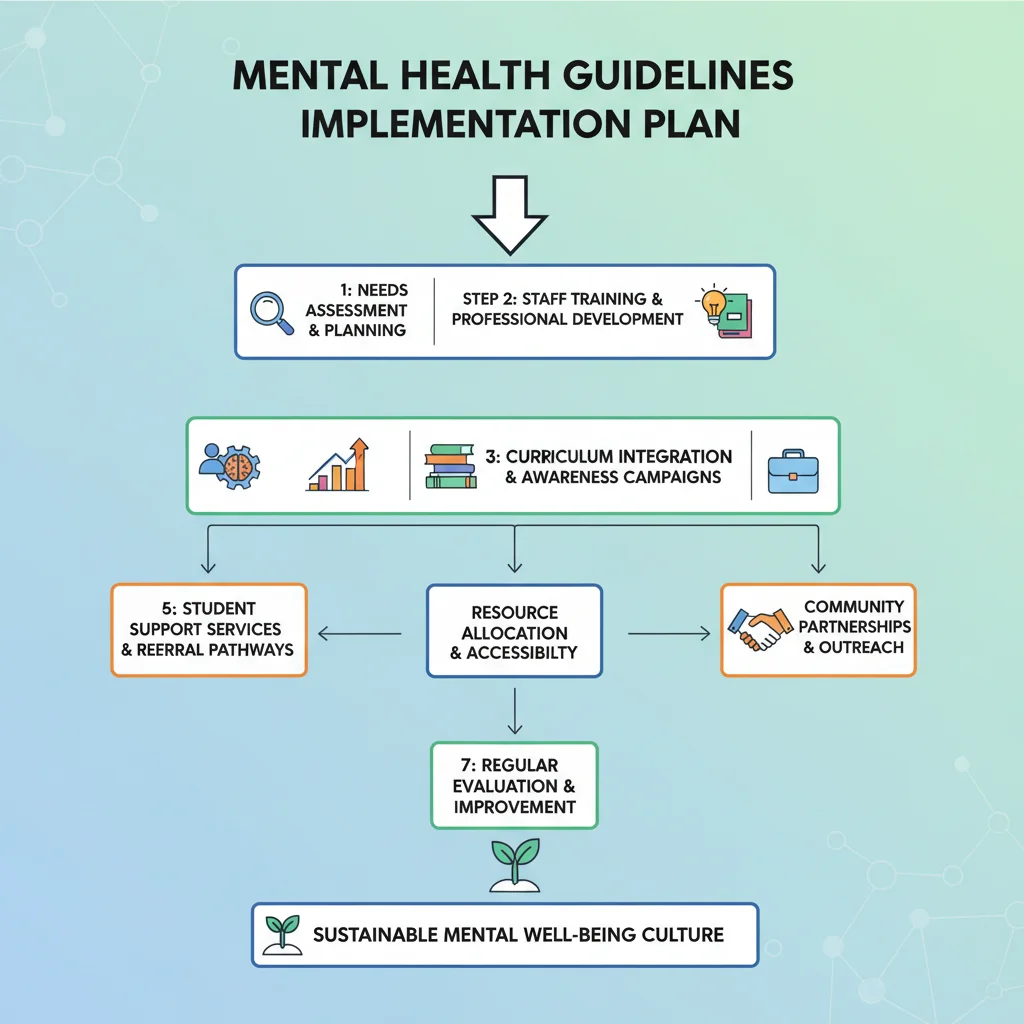
Phase 4: Curriculum Integration and Awareness Campaigns
Mental health literacy should be integrated into the curriculum at appropriate stages, using age-sensitive materials and approaches. Schools can also run awareness campaigns throughout the year, using assemblies, posters, and digital platforms to destigmatize mental health issues and encourage open conversations. Involving student voices in the design and delivery of these campaigns can significantly enhance their impact and resonance.
Phase 5: Establishing Referral Pathways and Partnerships
Clear, accessible, and well-communicated referral pathways are essential. Schools need to establish strong working relationships with local CAMHS, educational psychologists, and other community mental health services. This involves regular meetings, shared protocols, and designated points of contact to ensure seamless transitions for students requiring specialist support. Parents and guardians must also be fully informed about these pathways and their role in accessing support for their children.
Phase 6: Monitoring, Evaluation, and Continuous Improvement
Regular monitoring of the strategy’s effectiveness is crucial. This includes tracking student engagement with support services, gathering feedback from students and staff, and analyzing data on mental health outcomes. Schools should establish a dedicated mental health steering group to oversee this process, review data, and make recommendations for continuous improvement. This iterative approach ensures that the mental health strategy remains dynamic and responsive to the evolving needs of the school community.
Implementing the Guidelines in Universities by Q3 2026
Universities face unique challenges and opportunities when it comes to student mental health. The transition to higher education, coupled with academic pressures, financial concerns, and often living away from home for the first time, can place significant strain on students’ mental wellbeing. The new 2026 guidelines for UK Education Mental Health offer a framework for universities to enhance their existing provisions and create truly supportive academic environments.
Addressing the Specific Needs of University Students
University students often present with a diverse range of mental health needs, from managing exam stress and anxiety to dealing with more severe conditions like depression, eating disorders, or psychosis. Universities need to offer a tiered system of support that caters to this spectrum, from universal wellbeing programs to highly specialized clinical interventions. The guidelines encourage universities to consider the specific demographics of their student body, including international students, mature students, and those with pre-existing mental health conditions, to ensure equitable access to support.
Integrating Mental Health into University Life
Similar to schools, universities must adopt a ‘whole-university’ approach. This means integrating mental health awareness and support into academic departments, student services, residential life, and extracurricular activities. Academic staff, in particular, play a crucial role in identifying students who may be struggling and directing them to appropriate support. Training for lecturers and tutors on how to have sensitive conversations and make effective referrals is therefore vital.
Leveraging Digital Mental Health Resources
Universities are uniquely positioned to leverage digital mental health resources due to their tech-savvy student population. The guidelines encourage the use of online self-help tools, wellbeing apps, virtual counselling platforms, and digital peer support networks. These resources can offer flexible, accessible, and often immediate support, complementing traditional face-to-face services. However, it’s crucial to ensure that digital resources are evidence-based, secure, and integrated into a broader support ecosystem.

Developing Strong Partnerships with External Services
Given the complexity of some mental health conditions, universities must establish robust partnerships with local NHS mental health trusts, GPs, and other specialist providers. This includes developing clear pathways for students requiring ongoing psychiatric care, crisis intervention, or long-term therapeutic support. Collaborative working agreements and shared understanding of referral criteria are essential to ensure seamless transitions of care for students.
Supporting Staff Mental Health in Higher Education
The mental health of university staff is equally important. Academic and professional services staff often face significant workloads, research pressures, and the emotional demands of supporting students. Universities must provide comprehensive wellbeing programs for staff, including access to counselling, stress management workshops, and flexible working arrangements. A supportive institutional culture that values staff wellbeing is fundamental to creating a thriving academic community.
Key Resources and Best Practices for Implementation
Successfully implementing the 2026 UK Education Mental Health guidelines requires not only strategic planning but also access to appropriate resources and adherence to best practices. Several organizations and initiatives are already providing valuable support in this area.
Government Funding and Initiatives
The UK government is expected to provide funding and resources to support the implementation of these guidelines. Educational institutions should actively seek out information on available grants, training programs, and national initiatives. Keeping abreast of policy updates from the Department for Education and the Department of Health and Social Care will be crucial.
Guidance from National Bodies
Organizations such as Mind, YoungMinds, Student Minds, and the Anna Freud National Centre for Children and Families offer extensive resources, training, and guidance on mental health in educational settings. Their expertise can be invaluable in developing evidence-based strategies and interventions. Universities can also benefit from guidance provided by Universities UK and GuildHE.
Embedding a Culture of Openness and Support
Beyond specific programs and services, the most impactful change will come from embedding a culture of openness, empathy, and support around mental health. This involves destigmatizing mental health conversations, encouraging help-seeking behaviours, and ensuring that mental health is treated with the same importance as physical health. Leadership from the top is vital in championing this cultural shift.
Peer Support Programs
Peer support programs, where students are trained to support their peers, have proven to be highly effective. These programs can reduce feelings of isolation, provide a safe space for sharing experiences, and encourage early help-seeking. They empower students to take an active role in their own wellbeing and that of their community.
Regular Review and Adaptation
The mental health landscape is constantly evolving, and so too must the strategies employed by educational institutions. Regular review, data analysis, and adaptation of programs based on feedback and emerging research are essential. This commitment to continuous improvement ensures that mental health support remains relevant, effective, and responsive to the needs of the student and staff population.
Challenges and Opportunities on the Path to Q3 2026
While the new 2026 guidelines represent a significant step forward, their implementation will not be without challenges. Funding, staffing, and cultural resistance are potential hurdles that institutions will need to navigate. However, these challenges also present opportunities for innovation and collaboration.
Funding Constraints
Adequate funding is often a primary concern. While government support is anticipated, institutions may need to explore additional funding streams, including grants, philanthropic donations, and partnerships with local businesses or charities. Creative resource allocation and demonstrating the long-term benefits of mental health investment can help secure necessary funds.
Staffing and Training Gaps
Recruiting and retaining qualified mental health professionals, as well as providing comprehensive training for all staff, will require significant investment in time and resources. Universities and schools may need to develop robust recruitment strategies, invest in continuous professional development, and explore partnerships with training providers.
Addressing Stigma and Promoting Engagement
Despite increased awareness, stigma surrounding mental health still exists. Institutions will need to work continuously to create environments where students and staff feel comfortable discussing their mental health and seeking help. Effective communication campaigns, role modelling from leadership, and normalizing mental health conversations are key to overcoming this barrier.
Opportunities for Collaboration and Innovation
The implementation of these guidelines offers a unique opportunity for educational institutions to collaborate with each other, with external mental health services, and with the wider community. Sharing best practices, pooling resources, and developing innovative solutions can lead to more effective and sustainable mental health support systems. Technology also presents an opportunity to reach more students and provide diverse forms of support.
Conclusion: A Brighter Future for UK Education Mental Health
The new 2026 guidelines for UK Education Mental Health mark a pivotal moment for schools and universities across the nation. By prioritizing student and staff wellbeing, these directives aim to create more resilient, inclusive, and academically thriving educational environments. The deadline of Q3 2026 is approaching rapidly, underscoring the urgency for institutions to develop and implement robust, comprehensive, and sustainable mental health strategies. This is not merely a compliance exercise; it is an investment in the future of our young people and the strength of our educational system.
The journey to full implementation will require dedication, collaboration, and a sustained commitment from all stakeholders. However, by embracing the principles of prevention, early intervention, and holistic support, UK educational institutions have the opportunity to set a global standard for mental health provision. The ultimate goal is to ensure that every student feels supported, understood, and empowered to reach their full potential, both academically and personally. The focus on UK Education Mental Health is a testament to a society that increasingly values the internal lives of its learners, recognizing that true education extends far beyond the classroom to nurture the whole individual.