2026 UK Apprenticeship Levy Reforms: Maximizing 15% Increased Funding

The landscape of vocational training and skills development in the United Kingdom is constantly evolving, driven by the need to meet economic demands and foster a highly skilled workforce. A significant shift is on the horizon with the upcoming 2026 UK Apprenticeship Levy reforms, which promise a substantial 15% increase in funding. This pivotal change is designed to inject new life into the apprenticeship system, making it more accessible, efficient, and impactful for both employers and educational providers. Understanding these reforms is not just beneficial; it’s crucial for any organization looking to leverage government support for talent development and for educational institutions aiming to align their offerings with national priorities.
For years, the Apprenticeship Levy has been a cornerstone of the UK’s strategy to boost skills. Introduced in 2017, it requires employers with an annual pay bill of over £3 million to contribute 0.5% of their pay bill towards apprenticeship funding. These funds are then accessible to these employers, and in some cases, can be transferred to other businesses, to pay for apprenticeship training and assessment. While the Levy has had its successes, it has also faced criticism regarding its complexity, underutilization by some employers, and the need for greater flexibility. The 2026 reforms are a direct response to these concerns, aiming to streamline the process, enhance employer engagement, and ultimately, produce a more skilled and adaptable workforce.
The headline change – a 15% increase in funding – is poised to be a game-changer. This boost signifies a renewed government commitment to apprenticeships, recognizing their vital role in economic recovery and long-term prosperity. But what does this mean in practical terms for employers and educators? How can they best position themselves to capitalize on this enhanced support? This comprehensive guide will delve into the intricacies of the 2026 UK Apprenticeship Reforms, providing a roadmap for navigating the changes, understanding the opportunities, and ensuring compliance. We will explore the motivations behind these reforms, the specific mechanisms of the increased funding, and the strategic implications for various stakeholders. Our goal is to equip you with the knowledge and insights needed to transform these reforms into tangible benefits for your organization and the wider economy.
Understanding the Current UK Apprenticeship Levy Landscape
Before we dissect the upcoming 2026 UK Apprenticeship Reforms, it’s essential to have a firm grasp of the existing Apprenticeship Levy system. This foundation will highlight the areas where the reforms aim to improve and expand.
What is the Apprenticeship Levy?
The Apprenticeship Levy was introduced by the UK government in April 2017. Its primary objective is to fund apprenticeship training and assessment for employers in England. It applies to all employers, whether in the private or public sector, with an annual pay bill exceeding £3 million. These employers are required to pay 0.5% of their annual pay bill into a digital apprenticeship service account.
How Does the Levy Work for Employers?
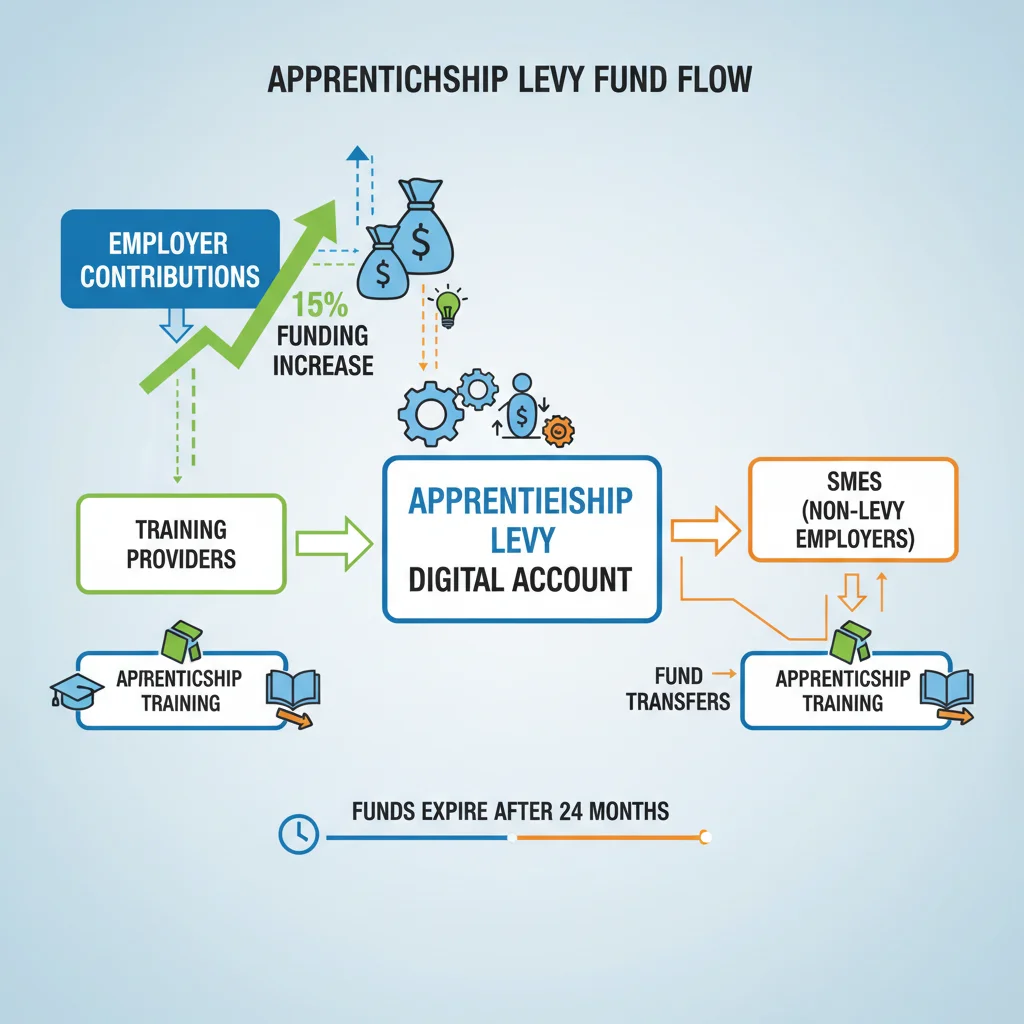
Once an employer contributes to the Levy, they gain access to these funds through a digital account. These funds can then be used to pay for apprenticeship training and assessment costs for their employees. The government tops up every £1 an employer pays into their digital account with an additional 10p, effectively giving employers more for their investment. Levy funds expire 24 months after they enter the account if not spent, encouraging timely investment in training.
For employers who do not pay the Levy (i.e., those with an annual pay bill of less than £3 million), the government covers 95% of the apprenticeship training and assessment costs, with the employer contributing the remaining 5%. This co-investment model ensures that smaller businesses can also benefit from apprenticeships.
The Role of the Digital Apprenticeship Service (DAS)
The Digital Apprenticeship Service (DAS) is central to the Levy system. It’s an online portal where employers can manage their apprenticeship funds, find approved training providers, and recruit apprentices. It provides transparency and control over how Levy funds are spent, allowing employers to make strategic decisions about their workforce development.
Challenges and Criticisms of the Existing System
Despite its intentions, the current Apprenticeship Levy has faced several criticisms:
- Complexity: Many employers, particularly SMEs, find the system intricate and difficult to navigate, leading to underutilization of funds.
- Use-it-or-Lose-it: The 24-month expiry rule for Levy funds can create pressure for employers to spend funds, sometimes on less strategic apprenticeships, or lead to significant amounts expiring unspent.
- Lack of Flexibility: There have been calls for greater flexibility in how Levy funds can be used, with some suggesting they should cover a broader range of skills training beyond just apprenticeships.
- Impact on SME Engagement: While non-Levy payers receive significant government support, the perception of complexity can still deter some smaller businesses from engaging with apprenticeships.
- Limited Transferability: While Levy-paying employers can transfer up to 25% of their annual Levy funds to other employers, this mechanism has not been as widely used as initially hoped, limiting its impact on supporting supply chains and smaller businesses.
These challenges have underscored the need for reform, setting the stage for the significant changes anticipated in 2026. The government’s aim is to address these pain points, making the system more agile, responsive, and ultimately, more effective in building a skilled workforce for the future.
The 2026 UK Apprenticeship Reforms: Key Changes and the 15% Funding Increase
The forthcoming 2026 UK Apprenticeship Reforms represent a pivotal moment for the nation’s skills agenda. At the heart of these changes is a clear commitment to enhancing the accessibility and impact of apprenticeships, with the most significant announcement being a 15% increase in government funding. This section will break down the core elements of these reforms and explain what the funding boost truly means.
The Rationale Behind the Reforms
The government’s decision to implement these reforms stems from a comprehensive review of the existing Apprenticeship Levy. Key drivers include:
- Addressing Skills Gaps: Acknowledging persistent skills shortages across various sectors, the reforms aim to better align apprenticeship provisions with current and future industry needs.
- Boosting Employer Engagement: By simplifying processes and increasing incentives, the government seeks to encourage more employers, especially SMEs, to embrace apprenticeships.
- Enhancing Quality and Impact: The reforms are designed to ensure that apprenticeships deliver high-quality training that leads to tangible career progression and productivity gains.
- Economic Growth: A more skilled workforce is a more productive workforce, contributing directly to economic growth and international competitiveness.
- Social Mobility: Apprenticeships offer a vital pathway for individuals from diverse backgrounds to gain qualifications and secure meaningful employment, fostering social mobility.
The 15% Funding Increase: What It Entails
- Increased Funding Bands: The maximum amount of funding available for each apprenticeship standard is likely to be increased by 15%. This means that for a given apprenticeship, the government will contribute more towards the training and assessment costs. This is particularly beneficial for higher-cost, specialized apprenticeships that might have previously struggled to attract sufficient funding.
- Enhanced Employer Incentives: While details are still emerging, the increased funding could also translate into more attractive incentives for employers, such as higher payments for taking on younger apprentices or those from disadvantaged backgrounds.
- Greater Support for Training Providers: Training providers, who deliver the apprenticeship programs, will see an increase in the funds they receive per apprentice. This can enable them to invest in better resources, more qualified staff, and innovative teaching methodologies, ultimately improving the quality of provision.
- Broader Access: By making apprenticeships more financially viable for employers and providers, the reforms aim to expand the number and diversity of available apprenticeship opportunities across the UK.
It’s crucial to note that this 15% increase is not just a nominal figure; it represents a significant injection of capital into the apprenticeship ecosystem. For employers, it means potentially lower direct costs or the ability to invest in more comprehensive training. For educators, it offers greater financial stability and the capacity to innovate.
Other Anticipated Reforms and Policy Adjustments
Beyond the funding increase, the 2026 reforms are expected to introduce other policy adjustments aimed at improving the system:
- Simplification of the Digital Apprenticeship Service (DAS): Efforts are likely to be made to make the DAS more user-friendly and intuitive, reducing the administrative burden on employers.
- Increased Flexibility in Levy Usage: There may be greater scope for employers to utilize their Levy funds for a wider range of skills development initiatives, potentially beyond the strict confines of current apprenticeship standards, or for pre-apprenticeship training.
- Enhanced Transferability: The percentage of Levy funds that can be transferred to other employers might be increased, or the process simplified, to better support supply chains and smaller businesses.
- Focus on Green Skills and Digital Skills: Given national priorities, expect an emphasis on apprenticeships that equip individuals with skills vital for the green economy and the digital transformation.
- Streamlined Standards Development: A review of how apprenticeship standards are developed and updated could lead to a more agile system that responds faster to industry needs.
These reforms collectively aim to create a more dynamic, responsive, and ultimately more effective apprenticeship system. The 15% funding increase serves as the financial backbone, enabling these broader policy adjustments to have a real and lasting impact. Employers and educators must begin planning now to ensure they are well-prepared to capitalize on these opportunities.
Strategic Implications for Employers: Maximizing the New Funding
The 2026 UK Apprenticeship Reforms, particularly the 15% increase in funding, present a significant opportunity for employers to rethink and strengthen their talent development strategies. Navigating these changes effectively will be key to maximizing the benefits and fostering a skilled, future-ready workforce.
Re-evaluating Your Apprenticeship Strategy
With increased funding, now is the opportune moment for employers to:
- Expand Existing Programs: Consider increasing the number of apprentices you take on or broadening the range of apprenticeship standards offered within your organization.
- Invest in Higher-Level Apprenticeships: The increased funding might make it more viable to invest in Level 4 (Higher Apprenticeships) and Level 6/7 (Degree Apprenticeships), which can address more complex skills gaps and develop future leaders.
- Target Critical Skill Shortages: Identify areas within your business where skill gaps are most pronounced (e.g., digital, green skills, engineering, healthcare) and strategically allocate increased funding to apprenticeships in these areas.
- Review Workforce Planning: Integrate apprenticeship planning more deeply into your long-term workforce strategy. How can apprenticeships contribute to succession planning, diversity and inclusion goals, and overall organizational resilience?
Optimizing Levy Fund Utilization
For Levy-paying employers, the 15% increase provides greater financial leverage. Consider:
- Proactive Fund Management: With more funds available, it becomes even more critical to manage your digital apprenticeship service account actively to prevent funds from expiring. Develop a robust plan for spending your Levy allocation.
- Strategic Transfers: If the transferability rules are enhanced, explore opportunities to transfer excess Levy funds to businesses in your supply chain or to smaller businesses you wish to support. This can strengthen your ecosystem and contribute to corporate social responsibility.
- Co-investment for Non-Levy Payers: If you are a non-Levy payer, the government’s 95% contribution will effectively be 15% higher in real terms (as the cap for each standard increases), making apprenticeships even more affordable. Plan for your 5% contribution to unlock significant government investment.
- Utilizing Incentives: Stay informed about any new or enhanced incentives for taking on specific demographics of apprentices (e.g., younger apprentices, care leavers, individuals with disabilities) to further optimize funding.
Building Strong Partnerships with Training Providers
The quality of your apprenticeship programs hinges on the strength of your training providers. With increased funding, providers will have more resources, enabling them to offer better services:
- Engage Early: Start discussions with potential and existing training providers now to understand how they plan to utilize the increased funding to enhance their offerings.
- Co-design Programs: Work collaboratively with providers to tailor apprenticeship programs to your specific organizational needs, ensuring the curriculum is directly relevant to your business objectives.
- Showcasing Value: Clearly articulate the return on investment for employers, demonstrating how high-quality apprenticeships lead to increased productivity, reduced recruitment costs, and enhanced employee retention.
- Support for Levy Transfers: If transferability rules are relaxed or enhanced, assist Levy-paying employers in identifying suitable recipients for their transferred funds, potentially creating new apprenticeship opportunities with smaller businesses.
Ensuring Internal Readiness and Support
The success of an apprenticeship program extends beyond just funding; it requires internal commitment:
- Dedicated Mentorship: Strengthen your internal mentoring programs to provide apprentices with the guidance and support they need to succeed.
- Line Manager Training: Equip line managers with the skills to effectively support, manage, and integrate apprentices into their teams.
- Clear Career Pathways: Demonstrate clear progression routes for apprentices within your organization to encourage retention and long-term commitment.
- Promote Apprenticeships Internally: Raise awareness about the benefits of apprenticeships within your organization, both as a recruitment tool and as a pathway for existing employees to upskill or reskill.
By proactively addressing these strategic implications, employers can transform the 2026 UK Apprenticeship Reforms into a powerful catalyst for growth, innovation, and sustainable talent development within their organizations.
Opportunities for Educators and Training Providers
Educational institutions and training providers are at the forefront of delivering apprenticeship programs, and the 2026 UK Apprenticeship Reforms, with their significant 15% funding increase, present a wealth of opportunities for growth, innovation, and enhanced impact. This section explores how providers can leverage these changes to their advantage.
Expanding and Diversifying Program Offerings
The increased funding bands mean that providers can:
- Develop New High-Value Apprenticeship Standards: Invest in creating programs for new, in-demand skills, particularly in areas like AI, cybersecurity, renewable energy, advanced manufacturing, and healthcare. The higher funding makes these more financially viable to deliver.
- Enhance Existing Programs: Utilize the additional funding to improve the quality of current apprenticeship offerings. This could include investing in new equipment, specialist software, virtual reality training tools, or enhancing blended learning approaches.
- Target Higher-Level Apprenticeships: With greater financial support, providers can expand their provision of Level 4 and above apprenticeships, including degree apprenticeships, attracting a broader range of learners and meeting higher-level employer demands.
- Focus on Niche Sectors: Identify underserved sectors or specialist areas where there is a clear skills gap and develop bespoke apprenticeship solutions.
Strengthening Employer Partnerships
The reforms provide a strong impetus for deeper collaboration between providers and employers:
- Proactive Engagement: Reach out to both existing and potential employer partners to discuss how the increased funding can benefit their workforce development plans. Offer tailored consultations.
- Co-creation of Curriculum: Work closely with employers to ensure that apprenticeship curricula are highly relevant, meeting specific industry needs and incorporating the latest technologies and practices.
- Showcasing Value: Clearly articulate the return on investment for employers, demonstrating how high-quality apprenticeships lead to increased productivity, reduced recruitment costs, and enhanced employee retention.
- Support for Levy Transfers: If transferability rules are relaxed or enhanced, assist Levy-paying employers in identifying suitable recipients for their transferred funds, potentially creating new apprenticeship opportunities with smaller businesses.
Investing in Infrastructure and Staff Development
The additional funding can be strategically reinvested within the institution:
- Upskilling and Reskilling Educators: Provide professional development opportunities for teaching staff to ensure they are equipped with the latest industry knowledge and pedagogical approaches relevant to new apprenticeship standards.
- Modernizing Facilities: Invest in state-of-the-art workshops, laboratories, and digital learning environments that mirror industry settings, providing apprentices with hands-on experience on current equipment.
- Enhancing Learner Support: Strengthen pastoral care, academic support, and career guidance services for apprentices, ensuring high completion rates and successful transitions into employment.
- Digital Transformation: Leverage funding to enhance digital learning platforms, remote delivery capabilities, and data analytics to track apprentice progress and program effectiveness.
Navigating Compliance and Quality Assurance
With increased investment comes increased scrutiny. Providers must ensure:
- Robust Quality Assurance: Maintain and enhance internal quality assurance processes to meet Ofsted and ESFA (Education and Skills Funding Agency) requirements, demonstrating the effective use of public funds and high-quality provision.
- Data Reporting and Transparency: Be prepared for potentially more rigorous reporting requirements to track the impact and outcomes of apprenticeships.
- Compliance with New Guidelines: Stay abreast of all updated guidance and regulations related to the 2026 reforms to ensure full compliance.
By taking a proactive and strategic approach, educators and training providers can leverage the 2026 UK Apprenticeship Reforms to not only expand their own provision but also to play an even more significant role in shaping the UK’s future workforce and driving economic prosperity.

Case Studies and Success Stories: Real-World Impact
While the 2026 reforms are still on the horizon, the existing Apprenticeship Levy has already facilitated numerous success stories. Examining these can provide valuable insights into the potential impact of increased funding and highlight best practices for both employers and educators.
Case Study 1: Large Engineering Firm Transforms Recruitment
A multinational engineering firm, traditionally reliant on graduate recruitment, struggled to fill technician and specialist operative roles due to a dwindling pipeline of practical skills. By strategically utilizing their Apprenticeship Levy funds, they:
- Developed Bespoke Apprenticeship Programs: In collaboration with local colleges, they co-designed Level 3 and Level 4 engineering apprenticeships tailored to their specific technological needs, including advanced robotics and automation.
- Implemented a Robust Mentorship Scheme: Experienced engineers were trained as mentors, providing hands-on guidance and fostering a supportive learning environment.
- Achieved High Retention: Over 90% of apprentices successfully completed their programs and were offered permanent positions, significantly reducing external recruitment costs and time-to-competency.
- Future-Proofed Workforce: The firm now has a steady stream of skilled technicians, ensuring knowledge transfer from an aging workforce and adapting to new technologies.
Lesson Learned: Strategic investment in tailored programs and strong internal support mechanisms can yield significant long-term workforce benefits.
Case Study 2: SME in Digital Marketing Upskills Existing Staff
A small digital marketing agency, not a Levy payer, identified a need to upskill its existing team in areas like data analytics and advanced SEO. Leveraging the 95% government funding for non-Levy payers, they:
- Identified Relevant Apprenticeship Standards: They enrolled several employees on a Level 4 Data Analyst apprenticeship and a Level 3 Digital Marketing apprenticeship.
- Minimised Cost: Their 5% co-investment was a manageable expense, unlocking substantial government funding for high-quality training.
- Boosted Employee Morale and Skills: Employees felt valued by the investment in their development, leading to increased job satisfaction and immediate application of new skills to client projects.
- Improved Client Outcomes: The agency saw a noticeable improvement in campaign performance and client retention due to enhanced in-house capabilities.
Lesson Learned: Apprenticeships are not just for new recruits; they are a powerful tool for upskilling existing employees, even for non-Levy payers, with minimal financial outlay.
Case Study 3: College Becomes a Hub for Green Skills Apprenticeships
A further education college recognized the growing demand for green skills in its region. Proactively, they:
- Developed New Green Apprenticeship Pathways: They invested in creating new standards for renewable energy technicians, sustainable construction, and electric vehicle maintenance, anticipating future industry needs.
- Secured Local Industry Partnerships: Collaborating with local businesses, they ensured their curriculum was industry-relevant and provided direct pathways to employment.
- Invested in Specialist Facilities: Utilized existing funding (and future increased funding will bolster this) to build dedicated workshops for sustainable technologies, attracting more learners and employers.
- Became a Regional Leader: The college established itself as a go-to institution for green skills training, attracting significant government and industry funding for further expansion.
Lesson Learned: Educational providers can proactively shape the skills landscape by anticipating future demands and building strong industry ties, especially with increased funding support.
Anticipating Future Success with 15% Increased Funding
- Greater Accessibility: More businesses, particularly SMEs, will find apprenticeships financially viable, leading to a broader uptake.
- Higher Quality Provision: Training providers will have more resources to invest in cutting-edge facilities, technology, and expert instructors, enhancing the learning experience.
- Innovation in Standards: The increased funding can stimulate the development of new, highly specialized apprenticeship standards that address emerging technological and economic shifts.
- Enhanced Social Mobility: More funded opportunities will open doors for individuals from diverse backgrounds to enter skilled professions, contributing to a more equitable society.
These real-world examples underscore the potential of the Apprenticeship Levy, and the upcoming reforms are set to amplify these successes, making apprenticeships an even more potent tool for national skills development.
Preparing for 2026: Actionable Steps for Stakeholders
The 2026 UK Apprenticeship Reforms are on the horizon, and proactive preparation is paramount for both employers and educators to fully capitalize on the 15% increased funding and other anticipated changes. Waiting until the last minute could mean missing out on significant opportunities.
For Employers:
- Conduct a Skills Audit: Begin by thoroughly assessing your current and future workforce needs. Identify critical skill gaps that apprenticeships could address. This will help you strategically allocate the increased funding.
- Review Your Current Apprenticeship Programs: Evaluate the effectiveness of your existing programs. Are they delivering the desired outcomes? Where can they be expanded or improved with additional funding?
- Engage with Internal Stakeholders: Get buy-in from senior leadership, HR, and departmental managers. Ensure they understand the benefits of apprenticeships and are prepared to support apprentices and mentors.
- Research New and Updated Apprenticeship Standards: Stay informed about new apprenticeship standards being developed, especially in high-growth or critical skill areas relevant to your industry.
- Connect with Training Providers: Start or strengthen relationships with approved training providers. Discuss your future needs and understand their capacity and plans for delivering programs under the new funding model.
- Monitor Government Announcements: Keep a close eye on official government publications from the Department for Education and the ESFA for detailed guidance on the reforms, funding bands, and any new incentives.
- Financial Planning: For Levy payers, plan how you will strategically utilize your increased Levy funds to avoid expiry. For non-Levy payers, budget for your 5% co-investment, knowing it will unlock even greater government support.
- Consider Levy Transfers (if applicable): If you consistently have unspent Levy funds, start planning how you might strategically transfer these funds to support your supply chain or other businesses once new rules are in place.
For Educators and Training Providers:
- Analyze Market Demand: Conduct thorough market research to identify sectors with high demand for apprenticeships and significant skills gaps. Align your curriculum development with these needs.
- Review and Update Curriculum: With increased funding, assess where existing programs can be enhanced or new, higher-level, or more specialized programs can be developed. Focus on areas like digital skills, green technologies, and advanced manufacturing.
- Invest in Staff Development: Plan for upskilling and reskilling your teaching staff to ensure they are proficient in new technologies and industry practices relevant to evolving apprenticeship standards.
- Modernize Facilities and Resources: Identify areas where investment in new equipment, technology, or learning environments would significantly improve the quality and relevance of your apprenticeship delivery.
- Strengthen Employer Engagement Teams: Bolster your teams responsible for forging and maintaining relationships with employers. They will be crucial in communicating the benefits of the new funding and co-designing programs.
- Ensure Robust Quality Assurance: Review and enhance your internal quality assurance processes to meet and exceed regulatory standards, demonstrating excellent outcomes for apprentices and employers.
- Prepare for Increased Capacity: Plan for potential growth in apprentice numbers. This includes recruitment strategies for both apprentices and staff, and managing classroom/workshop capacity.
- Stay Informed on Policy Changes: Actively engage with ESFA, Ofsted, and other relevant bodies to understand the full implications of the reforms and any new compliance requirements.
General Recommendations for All Stakeholders:
- Network and Collaborate: Attend industry events, webinars, and forums focused on apprenticeship reforms. Share best practices and collaborate with other organizations.
- Seek Expert Advice: Consider consulting with apprenticeship specialists or consultants who can provide tailored guidance on navigating the reforms.
- Communicate Internally and Externally: Ensure clear communication within your organization about the upcoming changes and their implications. For providers, effectively communicate your enhanced offerings to potential employers and apprentices.
By taking these proactive steps, employers and educators can ensure they are not just reacting to the 2026 UK Apprenticeship Reforms but are strategically positioned to lead and benefit from them, ultimately contributing to a more skilled and prosperous UK.
Conclusion: A Brighter Future for UK Apprenticeships
The 2026 UK Apprenticeship Reforms, spearheaded by a significant 15% increase in funding, signal a new era of opportunity and investment in the nation’s skills landscape. These changes are not merely administrative adjustments; they represent a profound commitment from the government to strengthen the apprenticeship system, making it more responsive, accessible, and impactful for all stakeholders. For employers, this means an unprecedented chance to cultivate a highly skilled, adaptable workforce, addressing critical skill gaps and driving productivity. For educational institutions and training providers, it offers the resources to innovate, expand, and deliver world-class vocational training that directly contributes to economic growth and individual career progression.
The journey towards 2026 requires foresight and strategic planning. Employers must proactively audit their skills needs, re-evaluate their talent development strategies, and engage deeply with training providers. Optimizing the utilization of Levy funds, whether through expanding existing programs or exploring higher-level apprenticeships, will be crucial. Similarly, educators must seize this moment to diversify their offerings, invest in state-of-the-art facilities and staff development, and forge even stronger partnerships with industry to co-create relevant and impactful programs.
The success stories highlighted demonstrate the transformative power of apprenticeships in action, from multinational engineering firms future-proofing their workforce to SMEs upskilling their teams and colleges becoming hubs for green skills. The increased funding will amplify these successes, fostering greater innovation, broader participation, and ultimately, a more robust and resilient economy.
As we move towards 2026, continuous engagement with government guidance, active networking, and a commitment to quality will be paramount. The reforms offer a unique window to reshape the future of work in the UK, creating pathways for individuals to thrive and for businesses to prosper. By embracing these changes with a strategic and proactive mindset, both employers and educators can play a pivotal role in realizing the full potential of the UK Apprenticeship Reforms, building a brighter, more skilled future for generations to come.