Education inequality after cost of living crisis
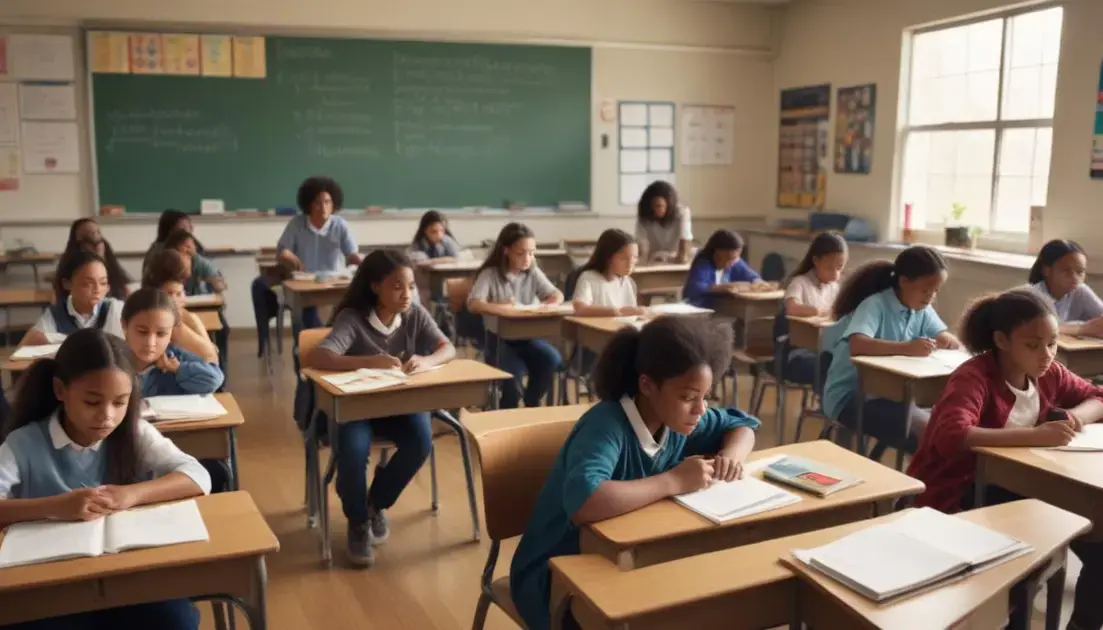
Education inequality after the cost of living crisis results in significant resource disparities, affecting students’ access to quality education and exacerbating social inequities.
Education inequality after the cost of living crisis has become a pressing issue that impacts many students across the nation. With rising living costs, families face challenges in accessing quality education. How does this reality affect your community or even your own family?
Understanding education inequality
When we talk about education inequality, it’s important to recognize how various factors, like socioeconomic status and community resources, play a significant role. Understanding these disparities can help us address the challenges many students face.
Access to Resources is a major issue in many areas. Students from low-income families often attend schools with fewer resources. This can lead to a lack of essential materials like textbooks and advanced technology.
The Impact of Socioeconomic Status
A child’s environment can greatly influence their educational experience. For example, those living in high-poverty neighborhoods may not have access to safe transportation or stable housing, which affects their ability to learn.
- Students may struggle with hunger, making concentration difficult.
- Home life instability can hinder focus on studies.
- Lack of parental involvement due to work commitments impacts educational outcomes.
Furthermore, the quality of teachers varies significantly. Schools in wealthier areas often attract highly qualified teachers who can provide a better education. In contrast, schools in less affluent areas may struggle to retain experienced educators.
Community support also plays a role in education inequality. Schools with robust community involvement often see better student outcomes. Programs that offer tutoring, mentorship, and after-school activities can make a substantial difference.
Solutions to Address Inequality
Addressing these disparities requires a multifaceted approach. Advocating for policy changes, increasing funding for under-resourced schools, and promoting community engagement can create a more equitable educational landscape
Engaging parents and community members can lead to improved resources for students. By fostering partnerships, we can enhance educational opportunities for those most affected by education inequality.
The impact of the cost of living crisis
The cost of living crisis has significantly impacted many aspects of daily life, including education. Students from low-income families are facing unprecedented challenges that can hinder their academic success. These challenges are not just temporary but may have lasting effects on their future.
Reduced family incomes mean less money for educational resources. Families often find it harder to afford school supplies, extracurricular activities, and even transportation to school. This financial strain leads to a cycle where students struggle to keep up.
Challenges in Accessing Quality Education
With rising living costs, schools in low-income areas often lack essential funding. This inequality creates disparities in educational quality. Schools that struggle financially cannot provide the same level of resources as their better-funded counterparts.
- Limited access to technology hinders online learning opportunities.
- Class sizes may be larger, reducing individual attention for each student.
- Extracurricular programs that aid in personal development might be cut.
Moreover, the emotional and psychological toll on students cannot be ignored. When family stability is compromised, students may face increased stress and anxiety. This mental strain can affect their performance, making it difficult to concentrate in class.
The cost of living crisis also affects higher education. With tuition rising, many potential college students may decide to forgo further education due to financial burdens. Those who do enroll might take on heavy debt, which can limit their career choices in the future.
Community Response and Support
Communities must step up during times like these. Programs that provide meals, tutoring, and financial assistance can help alleviate some of these burdens. Schools can create partnerships with local organizations to offer essential resources to students and their families.
By addressing the effects of the cost of living crisis, we can work towards a more equitable educational environment. It’s critical to support initiatives that aim to bridge the gap and ensure every child has access to quality education.
Real-life stories of affected students
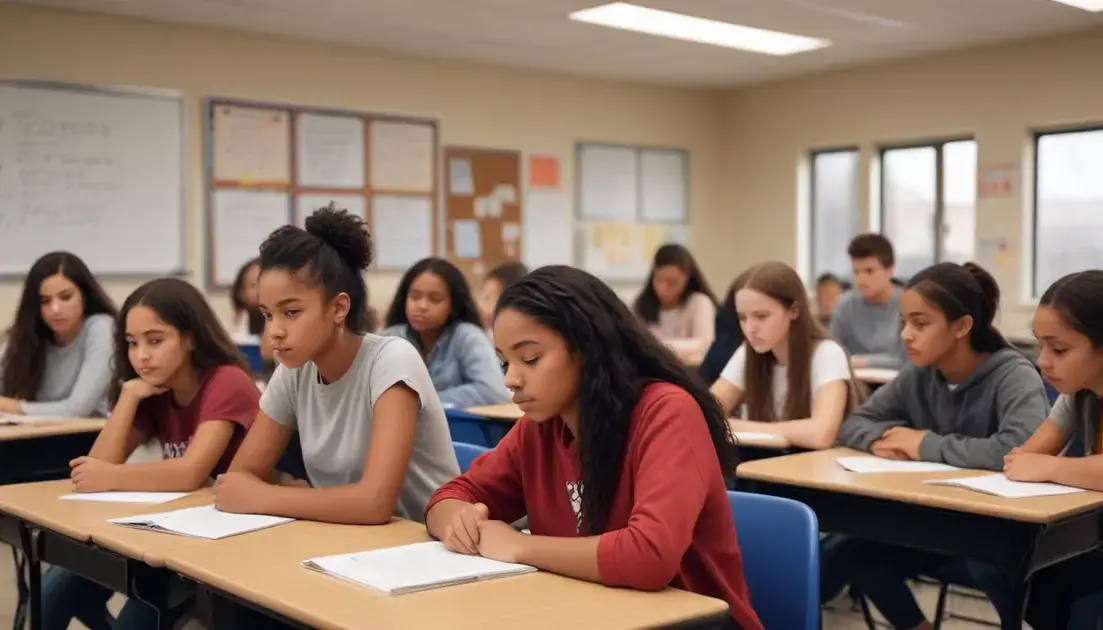
Real-life stories of affected students highlight the harsh realities of education inequality in our society today. These narratives give a voice to those impacted by the challenges that arise during crises, like the current cost of living crisis.
Consider a high school student named Maria. Living in a low-income neighborhood, Maria faces hurdles that impact her education. Without access to reliable internet, doing online assignments becomes difficult. She often finds herself completing homework at a friend’s house to use their Wi-Fi. This not only limits her study time but also increases her anxiety about keeping up with classmates.
Struggles in Learning Environments
Another story is about Jake, a sixth grader who struggles because his school lacks essential materials. His classroom is overcrowded, with teachers stretched thin. Jake often feels lost during lessons and fears asking his teacher for help because he worries it would draw attention to his struggles. His experience reflects how education inequality is not just about finances but also the quality of support and resources available to students.
- Many students like Jake report feeling discouraged.
- Support systems in these schools often fall short.
- The lack of funding means fewer extracurricular programs that help build skills.
Students like Aisha are facing similar battles. As a college student, Aisha has to balance her studies with part-time jobs to afford her tuition and living expenses. She frequently misses classes due to her work commitments, impacting her grades and leading to feelings of isolation. Aisha’s story underscores the effect of financial burdens on higher education. She dreams of becoming a teacher but fears her debt will prevent her from achieving that goal.
These examples illustrate just how deeply education inequality affects students at every level. Their stories serve as a powerful reminder of the urgent need for changes in educational policies and community support systems. By sharing these narratives, we can amplify their challenges and advocate for solutions that promote equity and access for all.
Policy responses and community efforts
Addressing education inequality requires effective policy responses and strong community efforts. These initiatives play a crucial role in creating a more equitable educational system, especially in light of the cost of living crisis.
Policy makers are recognizing the need for reforms that focus on funding disparities between schools. One such response is increasing financial support for schools in low-income areas. This funding can provide resources such as updated textbooks, technology, and necessary infrastructure repairs. When schools receive adequate funding, they can better meet the needs of their students.
Community Programs Making a Difference
Community organizations also play a vital role in bridging the gap caused by education inequality. Nonprofits and local groups often provide programs that support students and families. Examples of these initiatives include:
- Tutoring services that offer extra help to struggling students.
- Food programs that ensure students have access to nutritious meals.
- After-school activities that promote skill-building and engagement.
Another effective approach includes creating partnerships between schools and local businesses. These partnerships can lead to internships and mentorship programs, offering students real-world experience and networking opportunities.
Advocacy is also essential in promoting change. Parents, teachers, and community members can advocate for policy changes that address the root causes of education inequality. By organizing events and campaigns, they can bring attention to the needs of their schools and communities.
Legislative Changes for Equality
In addition, legislative changes can provide greater support for teacher training in underfunded areas. High-quality teachers are essential for student success, and focusing on teacher recruitment and retention is vital. Schools that can attract and keep talented educators can significantly improve their students’ outcomes.
Ultimately, the combination of policy responses and community efforts is necessary to combat education inequality. By working together, we can create an educational environment where all students have the opportunity to thrive, regardless of their background.
Future solutions for educational equity
Future solutions for educational equity are vital to ensure all students have equal access to quality education. Addressing the ongoing impacts of the cost of living crisis is essential for leveling the playing field.
One promising solution is implementing universal access to early childhood education. Programs that target young children can set a strong foundation for lifelong learning. When all children start school with similar skills, they can progress more equally.
Enhancing Technology Access
Another important area is improving access to technology. In our digital world, ensuring that every student has a device and internet connection is crucial. Schools can partner with local businesses and organizations to provide devices and Wi-Fi hotspots. This would empower students to complete assignments and access online resources.
- Tech grants can support this initiative.
- Community hubs can offer Internet access after school hours.
- Training for parents on how to support their children’s learning online is essential.
Additionally, creating mentorship programs can significantly impact students’ lives. Connecting students with mentors in their desired career fields exposes them to opportunities they might not typically discover. These programs can provide guidance, resources, and motivation to succeed.
Policy Advocacy for Change
On the policy front, advocating for changes in school funding can help address disparities. Equal funding formulas can ensure schools in low-income areas receive the necessary resources. Engaging parents, teachers, and community leaders in this advocacy can strengthen the movement for educational reforms.
Fostering a culture of community involvement is another strategy. When families and local organizations come together to support schools, the result can be transformative. Volunteer programs, like tutoring or after-school activities, can fill the gaps created by education inequality.
Ultimately, the combination of these innovative solutions can lead to a brighter and more equitable future for education. By investing in early education, improving technology access, creating mentorship opportunities, and advocating for policy changes, we can create an educational system that provides equal opportunities for all students.
education inequality is essential for creating a fair system where every student can thrive. By focusing on solutions like early childhood education, improving technology access, and developing mentorship programs, we can make real progress. Community involvement and policy advocacy are also crucial for driving change. Together, these efforts can pave the way for a brighter future in education, ensuring no child is left behind. Let’s continue to work toward a world where every child has equal educational opportunities.
FAQ – Frequently Asked Questions about Education Inequality
What is education inequality?
Education inequality refers to the unequal distribution of educational resources and opportunities, which affects students’ chances for success.
How does the cost of living crisis impact education?
The cost of living crisis can lead to financial struggles for families, making it difficult for students to access basic resources like school supplies and technology.
What community efforts can help reduce education inequality?
Community efforts such as tutoring programs, mentorship opportunities, and partnerships with local businesses can provide essential support for affected students.
What policy changes are needed to promote educational equity?
Policies that ensure equal funding for all schools, especially those in low-income areas, are crucial for creating a more equitable educational system.