Council Tax Support 2026: Unlock Up to 25% Savings on Your Bill
In an ever-evolving economic landscape, managing household finances can be a daunting task for many. One significant recurring expense for homeowners and renters alike in the UK is Council Tax. With the cost of living continuing to rise, understanding the avenues available for financial relief is more crucial than ever. For 2026, many households could be eligible for substantial reductions through the Council Tax Support scheme, potentially slashing their bills by up to 25%.
This comprehensive guide aims to demystify Council Tax Support, providing you with all the essential information to determine your eligibility, navigate the application process, and ultimately maximize your savings. We will delve into the nuances of the scheme, explore the criteria set by local authorities, and offer practical advice to ensure you don’t miss out on vital financial assistance. Prepare to gain a deeper understanding of how to lighten your financial burden in 2026.
Understanding Council Tax: A Foundation for Savings
Before we dive into the specifics of Council Tax Support, it’s important to grasp what Council Tax is and why it’s levied. Council Tax is a local tax charged by local authorities in England, Scotland, and Wales. It helps to pay for local services such as rubbish collection, policing, fire services, libraries, schools, and social care. The amount you pay is based on the value of your property, which is placed into one of eight valuation bands (A to H) in England and Scotland, or nine bands (A to I) in Wales, as determined by the Valuation Office Agency (VOA).
Each local council sets its own rate of Council Tax for each band, meaning the amount you pay can vary significantly depending on where you live. This variation also extends to the specific rules and generosity of Council Tax Support schemes, as they are administered locally. Therefore, a thorough understanding of your local council’s policies is paramount.
The Valuation Bands and Their Impact
Property valuation bands are crucial to understanding your Council Tax bill. These bands are based on the property’s value on a specific date (1 April 1991 for England and Scotland, 1 April 2003 for Wales). Even if your property’s value has changed since then, its band remains the same unless significant alterations have been made. Knowing your band is the first step in assessing your base Council Tax liability before any potential reductions.
For example, a property in Band A will generally pay less Council Tax than a property in Band H within the same local authority area. The difference can be substantial, emphasizing the importance of understanding how your property is categorized and, if you believe it’s incorrect, how to challenge its banding.
What is Council Tax Support (CTS)?
Council Tax Support, often referred to as Council Tax Reduction (CTR), is a means-tested benefit designed to help individuals and families on low incomes pay their Council Tax bill. It replaced Council Tax Benefit in April 2013, giving local authorities greater power to design their own schemes. This localization means that while the core purpose remains the same across the UK, the specific rules, eligibility criteria, and the maximum amount of support available can differ significantly from one council to another.
The primary goal of Council Tax Support is to ensure that essential local services remain funded while providing a safety net for those who would struggle to meet their Council Tax obligations. For 2026, councils will continue to refine their schemes to address local needs, making it vital for residents to check their specific council’s guidelines.
Key Differences from Universal Credit
It’s important to distinguish Council Tax Support from Universal Credit. While Universal Credit is a national benefit administered by the Department for Work and Pensions (DWP) to help with living costs, Council Tax Support is a local benefit administered by your local council. You must apply for them separately. Even if you receive Universal Credit, you still need to apply to your local council for Council Tax Support.
Who is Eligible for Council Tax Support in 2026?
Eligibility for Council Tax Support is primarily based on your income, savings, and household circumstances. While specific criteria vary by council, general guidelines apply across the board. Here are the main factors that councils will consider for the 2026 tax year:
Income and Savings
- Low Income: Your total household income (including earnings, benefits, pensions, and other sources) will be assessed. The lower your income, the more likely you are to qualify for support.
- Savings Thresholds: Most councils have a savings threshold, typically around £16,000. If you have savings or capital above this amount, you may not be eligible for support, or your support might be reduced. Some councils may have different thresholds, especially for pensioners.
- Working Age vs. Pension Age: The rules for Council Tax Support can differ significantly depending on whether you are of working age or pension age. Pensioners generally receive more generous support under national regulations, while working-age claimants are subject to their local council’s scheme, which can be less generous.
Household Circumstances
- Who Lives With You: The income and circumstances of other adults living in your household (non-dependants) can affect your entitlement. For example, if an adult child lives with you and earns above a certain amount, this might reduce your Council Tax Support.
- Number of Children: If you have dependent children, this can increase the amount of support you receive, as councils often factor in childcare costs or provide additional allowances for children.
- Disability and Health Conditions: If you or someone in your household has a disability or a long-term health condition, you might be entitled to additional support or specific disregards in the income assessment. This could include eligibility for the disability living allowance, personal independence payment, or other disability-related benefits.
Specific Criteria for 2026
As local councils have the autonomy to design their schemes, it’s crucial to check your specific council’s website for their 2026 policy. Some common variations you might encounter include:
- Different maximum percentages of Council Tax that can be covered (e.g., some councils may cap support at 80% or 90% for working-age claimants, meaning you will always have to pay at least a portion of your bill).
- Specific disregards for certain types of income or benefits.
- Local hardship funds or discretionary payments that can offer additional support beyond the standard scheme.
Don’t assume you’re not eligible without checking. Many people are surprised to find they qualify for some level of Council Tax Support.
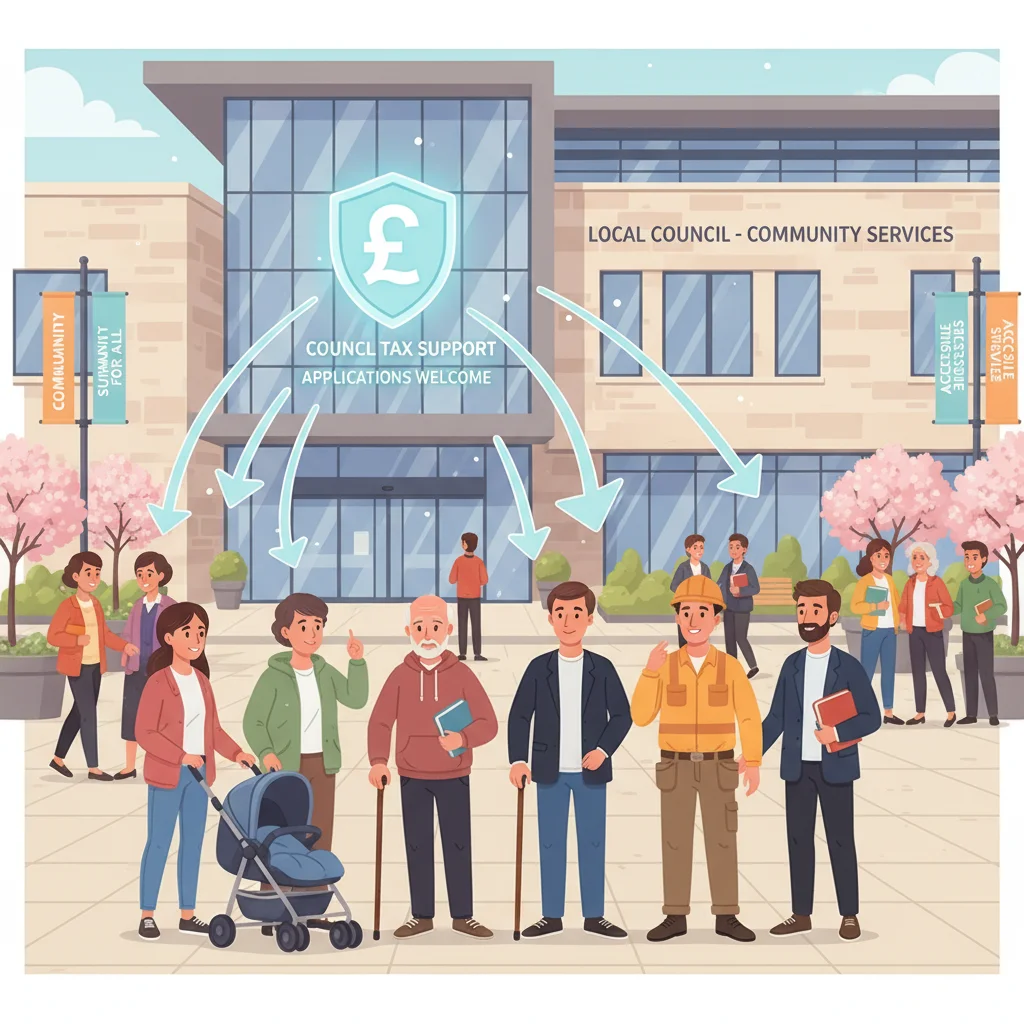
How to Apply for Council Tax Support in 2026
Applying for Council Tax Support can seem daunting, but breaking it down into manageable steps makes the process much smoother. The key is to be prepared and provide accurate information.
Step-by-Step Application Process
- Identify Your Local Council: Your Council Tax bill will clearly state which local authority you pay your tax to. This is the council you need to apply to.
- Visit Your Council’s Website: Most councils have a dedicated section on their website for Council Tax Support. Here, you’ll find detailed information about their specific scheme for 2026, eligibility criteria, and the application form.
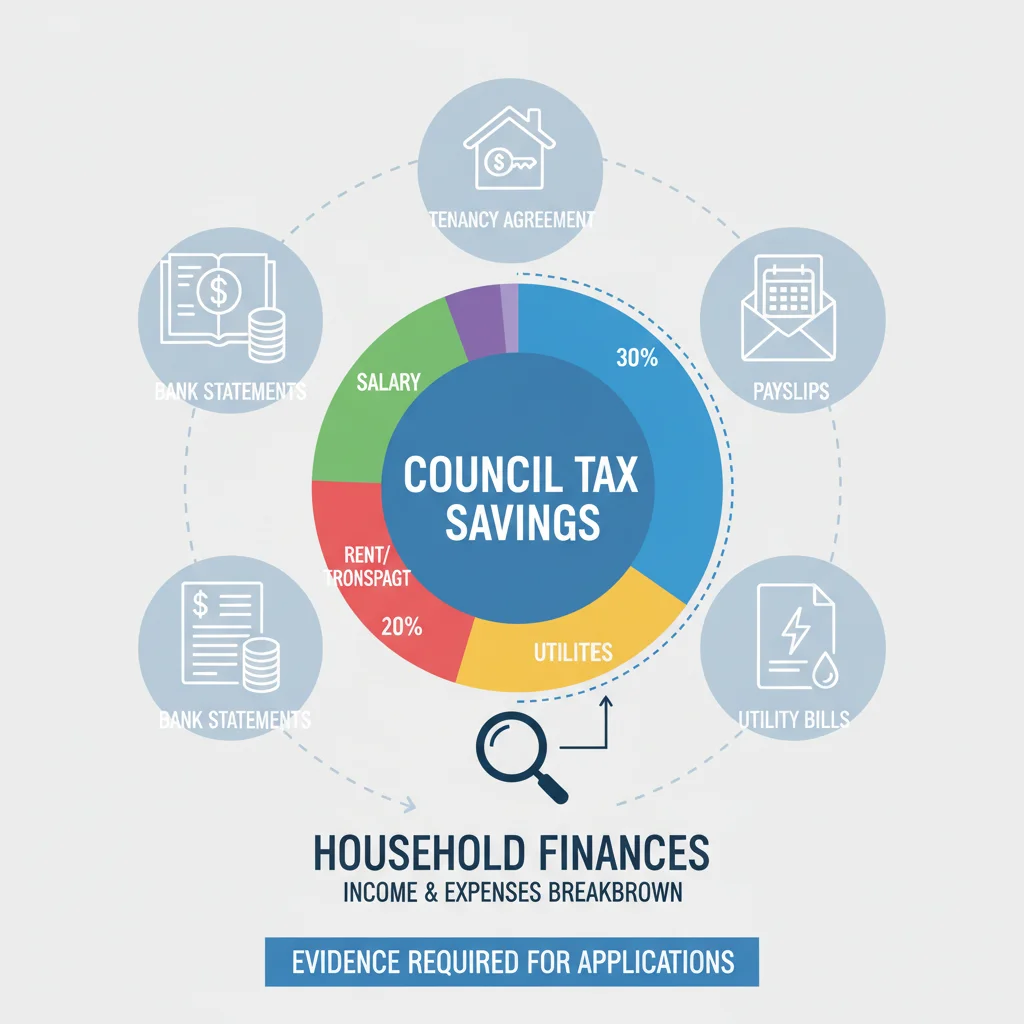
- Gather Required Documents: Before starting the application, collect all necessary documentation. This typically includes:
- Proof of identity (passport, driving license)
- Proof of address (utility bills, tenancy agreement)
- Proof of income for everyone in your household (payslips, benefit statements, pension statements)
- Proof of savings and investments (bank statements, building society passbooks)
- Proof of any other benefits received (Universal Credit, Housing Benefit, etc.)
- Details of any disability or health conditions (if applicable)
- Childcare costs (if applicable)
- Complete the Application Form: Most councils offer an online application form, which is usually the quickest and most efficient way to apply. Some may still provide paper forms. Fill out all sections accurately and completely.
- Submit Your Application and Evidence: Once completed, submit the form along with all supporting evidence. Many online systems allow you to upload documents directly. If applying by post, ensure you send copies, not originals, and keep a record of what you’ve sent.
- Await a Decision: Your council will assess your application. This can take several weeks, especially during busy periods. They may contact you for further information or clarification.
- Review the Decision: Once a decision is made, you will receive a letter outlining whether you are eligible and, if so, the amount of Council Tax Support you will receive. This will usually be applied directly to your Council Tax account.
Tips for a Smooth Application
- Apply Promptly: Don’t delay. Council Tax Support is usually awarded from the date your application is received, not from when you first became eligible.
- Be Thorough: Incomplete applications are the leading cause of delays. Double-check that you’ve provided all requested information and documents.
- Keep Records: Make copies of your application form and all supporting documents. Note down the date you applied and any reference numbers.
- Seek Help if Needed: If you’re struggling with the application, don’t hesitate to contact your local council’s welfare rights team, Citizens Advice, or other local support organizations. They can provide free and impartial advice.
Maximizing Your Council Tax Savings: Beyond the Standard CTS
While Council Tax Support is a primary avenue for reducing your bill, there are several other discounts, exemptions, and disregards that could further lower your liability. Combining these with CTS can lead to significant savings, potentially reaching the 25% mark or even more for some households.
Single Person Discount
If you are the only adult (aged 18 or over) living in your property, you are entitled to a 25% discount on your Council Tax bill. This is one of the most common and significant discounts available. Even if other adults live with you but are ‘disregarded’ for Council Tax purposes, you might still qualify.
Disregarded Persons
Certain people are not counted when calculating the number of adults in a household for Council Tax purposes. If everyone in your household is disregarded, you could be eligible for a 50% discount or even an exemption. Disregarded persons include:
- Full-time students, student nurses, apprentices, and youth trainees.
- People with severe mental impairment.
- Live-in carers who care for someone who isn’t their spouse, partner, or child under 18.
- People residing in certain hospitals, care homes, or hostels.
- Diplomats.
It’s vital to check the full list of disregarded persons on your local council’s website, as criteria can be specific.
Disability Reduction Scheme
If you or someone living with you is permanently disabled, and your home has been adapted to meet their needs (e.g., an extra bathroom or kitchen, or sufficient space for a wheelchair indoors), you may be eligible for a reduction. This scheme effectively lowers your property’s Council Tax band by one band. For example, if your home is in Band C, you would pay the Band B rate. If your home is already in Band A (the lowest band), you would receive a reduction equivalent to one-sixth of the Band D charge.
Exemptions
In certain circumstances, a property can be entirely exempt from Council Tax, meaning you pay nothing at all. Common exemptions include:
- Properties occupied solely by students.
- Empty properties owned by a charity (for up to six months).
- Properties where all occupants are under 18.
- Properties occupied by people with severe mental impairment.
- Annexes occupied by a dependent relative.
Again, the full list and specific conditions for exemptions are available on your local council’s website.
Hardship Funds and Discretionary Payments
Even if you don’t qualify for the full Council Tax Support or other discounts, your local council may have discretionary hardship funds or exceptional hardship payments available. These are typically one-off payments or temporary reductions for people facing severe financial difficulties who cannot pay their Council Tax bill. You usually need to demonstrate exceptional circumstances and provide detailed evidence of your financial situation to qualify.
Pensioners and Council Tax Support in 2026
The rules for pensioners applying for Council Tax Support are generally more generous and are governed by national regulations, making them more consistent across different local authorities compared to working-age claimants. If you are of pension credit qualifying age, your Council Tax Support is assessed under a different set of rules.
Key Considerations for Pensioners
- Savings Threshold: For pensioners, the savings threshold is typically £16,000. However, if you receive the Guarantee Credit element of Pension Credit, your savings are generally not taken into account, and you will likely receive maximum Council Tax Support (up to 100% of your bill).
- Income Assessment: Your income will be assessed, but certain disregards apply, making it easier for pensioners to qualify.
- Disability Premiums: If you or your partner receives certain disability benefits, additional premiums may be included in your assessment, potentially increasing your entitlement.
It’s highly recommended that pensioners who are struggling with their Council Tax bill apply for Council Tax Support, as the rules are designed to offer significant relief.
Changes and Updates for Council Tax Support in 2026
While the core framework of Council Tax Support is expected to remain consistent, local councils regularly review and update their schemes. For 2026, it’s possible that some councils may adjust their:
- Maximum Award Percentages: Some councils might increase or decrease the maximum percentage of Council Tax they are willing to cover for working-age claimants.
- Income Tapers: The rate at which support reduces as income increases might be adjusted.
- Savings Thresholds: Though less common, some councils might modify their savings limits.
- Disregards: Specific types of income or benefits that are disregarded in the assessment could change.
It is crucial to check your local council’s website closer to the 2026 financial year (which typically starts in April) for the most up-to-date information on their specific scheme. Councils usually publish their policies well in advance.
What to Do if Your Circumstances Change
It is vital to report any changes in your circumstances to your local council immediately. Failure to do so could result in an overpayment of Council Tax Support, which you would then have to pay back. Changes to report include:
- Changes in income (e.g., starting a new job, change in working hours, increase/decrease in benefits).
- Changes in savings or capital.
- Anyone moving into or out of your household.
- Changes in your address.
- Changes in your rent.
- Changes in the health or disability of anyone in your household.
Prompt reporting ensures your Council Tax Support is accurate and prevents future financial complications.
Appealing a Council Tax Support Decision
If you believe your council’s decision regarding your Council Tax Support is incorrect, you have the right to appeal. The appeal process typically involves two stages:
- Internal Review: First, you should write to your local council asking them to reconsider their decision. This is often called a ‘revision’ or ‘reconsideration’. You need to clearly explain why you believe the decision is wrong and provide any new evidence.
- Appeal to the Valuation Tribunal: If you are still not satisfied after the council’s internal review, you can appeal to an independent body called the Valuation Tribunal. This must usually be done within a specific timeframe (often two months from the date of the council’s reconsideration decision).
Seeking advice from organizations like Citizens Advice or a welfare rights specialist before appealing can be highly beneficial.
Beyond Financial Support: Managing Your Council Tax Bill
Even if you receive Council Tax Support, effectively managing the remaining portion of your bill is important. Here are some additional tips:
- Pay by Direct Debit: Most councils offer a discount or prefer direct debit payments, which can also help you spread the cost over 10 or 12 months, making it more manageable.
- Check Your Bill Carefully: Always review your Council Tax bill for accuracy. Ensure your property band is correct and that any discounts or reliefs you’ve applied for have been granted.
- Budgeting: Incorporate your Council Tax payments into your monthly budget to avoid falling into arrears.
- Contact Your Council if You Struggle: If you anticipate difficulties in paying your bill, contact your council’s Council Tax department as soon as possible. They may be able to arrange a different payment plan or offer further advice. Ignoring the problem can lead to enforcement action, additional charges, and stress.
Conclusion: Take Action to Secure Your Council Tax Savings in 2026
Council Tax is a significant household expense, but for many, it doesn’t have to be a full burden. The Council Tax Support scheme, alongside various discounts and exemptions, offers a vital lifeline for households across the UK. By understanding the eligibility criteria, meticulously preparing your application, and staying informed about your local council’s specific policies for 2026, you can unlock substantial savings – potentially reducing your bill by up to 25% or even more.
Don’t let the complexity deter you. Start by checking your local council’s website, gathering your documents, and if in doubt, seek expert advice. Proactive engagement with the system is the key to ensuring you receive all the financial assistance you are entitled to. Make 2026 the year you take control of your Council Tax bill and secure the savings you deserve.