Understanding Universal Credit Reforms 2026: What Self-Employed Claimants Need to Know
The landscape of welfare benefits in the UK is constantly evolving, and for self-employed individuals claiming Universal Credit, significant changes are on the horizon. The year 2026 marks a crucial period with planned adjustments to the Minimum Income Floor (MIF), a policy that has long been a point of contention and discussion among self-employed claimants and welfare advocates alike. These upcoming Universal Credit Reforms 2026 are set to reshape how self-employment income is assessed and, consequently, how much support is provided to those striving to make their businesses work.
For many self-employed individuals, Universal Credit provides a vital safety net, bridging the gap during periods of low income or when businesses are in their nascent stages. However, the existing Minimum Income Floor has often been cited as a barrier, potentially penalising those with fluctuating incomes or those who are reinvesting heavily in their business. As we approach 2026, understanding these reforms is not just about compliance; it’s about strategic planning, financial resilience, and ensuring your business can thrive within the updated framework.
This comprehensive guide will delve into the specifics of the Universal Credit Reforms 2026, dissecting the changes to the Minimum Income Floor, exploring their potential impact on self-employed claimants, and offering practical advice on how to navigate these adjustments. Whether you’re a seasoned freelancer, a budding entrepreneur, or someone considering self-employment while on Universal Credit, preparing for these reforms is paramount to securing your financial future.
What Are the Universal Credit Reforms 2026 and the Minimum Income Floor?
To fully grasp the implications of the upcoming changes, it’s essential to first understand the foundational concepts. Universal Credit is a single monthly payment for people in or out of work, designed to help with living costs. It replaced several legacy benefits, aiming to simplify the system.
The Current Minimum Income Floor (MIF) Explained
The Minimum Income Floor (MIF) is a key component of Universal Credit for self-employed claimants. It’s an assumed level of earnings that the Department for Work and Pensions (DWP) uses to calculate your Universal Credit payment, regardless of your actual earnings. This figure is equivalent to what a person on the National Minimum Wage would earn for 35 hours a week, minus a notional tax and National Insurance contribution. The MIF is applied after a 12-month ‘start-up’ period, during which self-employed claimants are exempt from it.
The rationale behind the MIF is to encourage self-employed individuals to increase their earnings to a sustainable level and to prevent the benefit system from subsidising unprofitable businesses indefinitely. However, its application has often been criticised for not reflecting the realities of self-employment, where income can be highly variable, especially in the early years or during economic downturns.
Why Are Universal Credit Reforms Happening in 2026?
The decision to implement Universal Credit Reforms 2026 stems from a combination of factors, including ongoing reviews of the welfare system, feedback from claimants and support organisations, and a desire to adapt the system to better support economic activity while ensuring fairness. The government periodically reviews benefit policies to ensure they remain fit for purpose and align with broader economic and social objectives.
One of the primary drivers behind the 2026 adjustments is likely an acknowledgment of the challenges faced by self-employed individuals under the current MIF rules. There’s a growing recognition that a one-size-fits-all approach may not adequately support the diverse nature of self-employment. The reforms aim to strike a better balance between encouraging self-sufficiency and providing a realistic safety net.
Key Adjustments to the Minimum Income Floor in 2026
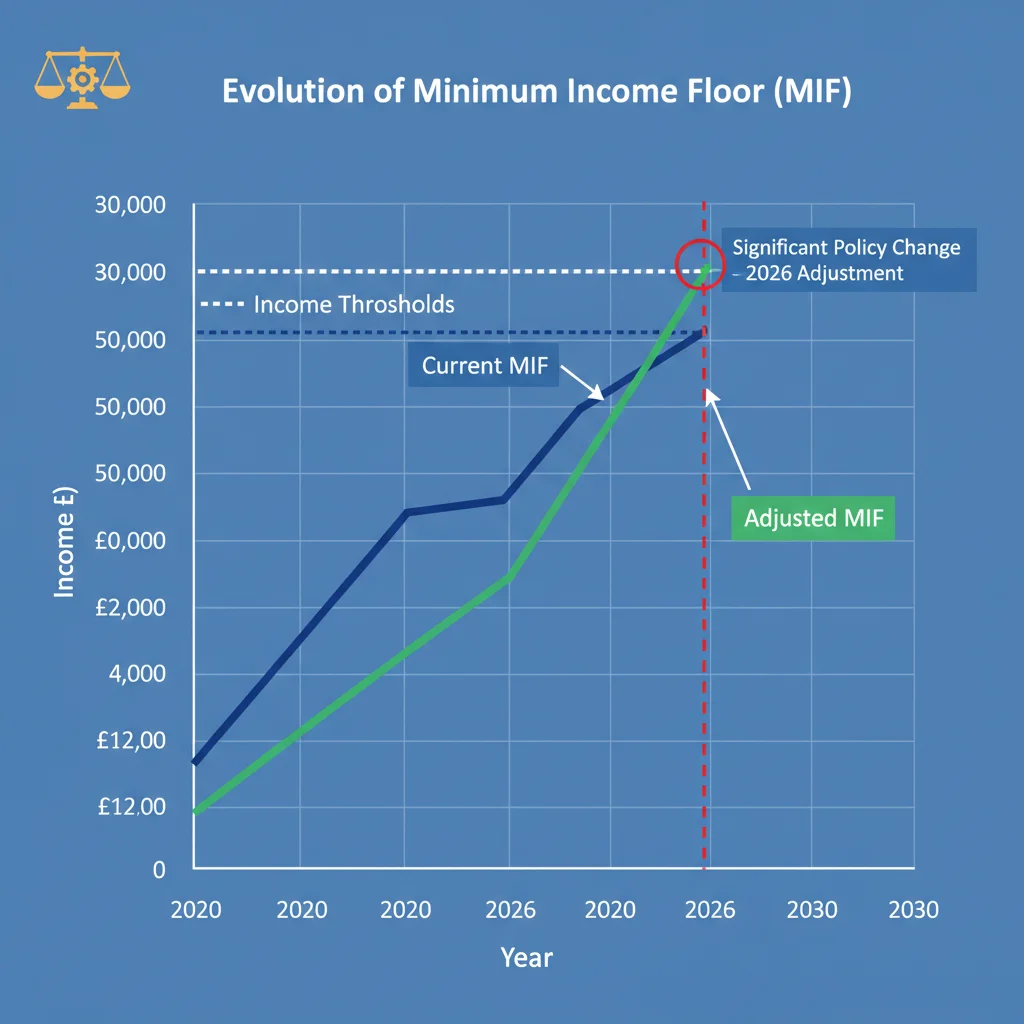
While the precise details of the Universal Credit Reforms 2026 are still being finalised and communicated, the core focus remains on the Minimum Income Floor. Early indications and policy discussions suggest several key areas of adjustment:
Potential Changes to the Start-Up Period
One area under consideration is the duration or flexibility of the 12-month start-up period. There’s a possibility that this period might be extended for certain types of businesses or under specific circumstances, acknowledging that some ventures take longer to become profitable. Alternatively, there might be provisions for a more gradual introduction of the MIF, rather than an abrupt application after 12 months.
Revised Calculation Methods for the MIF
The methodology for calculating the MIF itself could see revisions. This might involve a more nuanced approach that takes into account regional variations in living costs, industry-specific income norms, or even a claimant’s individual circumstances and business plan. A more flexible calculation could lead to a MIF that is more reflective of actual earning potential and less of a punitive measure.
Introduction of a ‘Flexibility Period’ or ‘Grace Period’
Another potential reform could be the introduction of a ‘flexibility period’ or ‘grace period’ after the initial start-up phase, during which the MIF might be applied with less rigidity. This could allow self-employed individuals more time to stabilise their income without immediately facing a full MIF deduction, particularly if they can demonstrate genuine efforts to grow their business.
Increased Support for Business Development
Alongside changes to the MIF, the Universal Credit Reforms 2026 might also include enhanced support mechanisms for self-employed claimants. This could involve better access to business advice, training, or even small grants to help with business development, thereby fostering genuine growth rather than simply penalising low income.
Impact of Universal Credit Reforms 2026 on Self-Employed Claimants
The ramifications of these reforms could be far-reaching for self-employed individuals currently receiving or intending to claim Universal Credit. Understanding these potential impacts is crucial for proactive planning.
Financial Implications for Claimants
For those currently subject to the MIF, any adjustments could directly affect their monthly Universal Credit payments. If the MIF is lowered or its application becomes more flexible, some claimants might see an increase in their benefit entitlement. Conversely, if the reforms introduce stricter criteria or a higher assumed income in certain scenarios, some could experience a reduction.
The changes could also influence the financial viability of starting or continuing a self-employed venture. A more supportive MIF policy might encourage more individuals to pursue self-employment, knowing they have a more robust safety net. Conversely, an overly stringent approach could deter potential entrepreneurs.
Administrative Burden and Reporting Requirements
Any changes to the MIF calculation or application will inevitably lead to adjustments in reporting requirements. Self-employed claimants are already required to report their income and expenses monthly. The Universal Credit Reforms 2026 might introduce new categories for reporting, or require more detailed evidence to justify income fluctuations or periods of lower earnings, especially if flexibility periods are introduced. This could mean a greater administrative burden for some.
Psychological and Social Impact
Beyond the financial and administrative aspects, the reforms could have significant psychological and social impacts. A more understanding and flexible system could reduce stress and anxiety for self-employed claimants, allowing them to focus more on growing their businesses. It could also foster a greater sense of fairness and trust in the welfare system. Conversely, reforms perceived as unfair or overly complex could lead to increased stress, disengagement, and even a reluctance to pursue self-employment.
Preparing for Universal Credit Reforms 2026: Practical Steps for Self-Employed
Proactive preparation is key to navigating the Universal Credit Reforms 2026 successfully. Here are some practical steps self-employed claimants can take:
Stay Informed About Official Announcements
The most crucial step is to stay updated. Keep a close eye on official announcements from the DWP, government websites, and reputable welfare rights organisations. These sources will provide the most accurate and timely information regarding the specific details of the reforms and their implementation timeline. Subscribing to newsletters from relevant bodies can be an effective way to receive updates.
Review Your Business Plan and Financial Projections
Now is an opportune time to revisit your business plan. Assess your current income and expenditure, and create realistic financial projections for the period leading up to and beyond 2026. Consider how potential changes to the MIF might affect your cash flow and overall profitability. Identify areas where you might need to increase income or reduce costs to meet the new thresholds.
Improve Your Bookkeeping and Record-Keeping
Accurate and meticulous record-keeping is always vital for self-employed individuals, but it will become even more critical with the Universal Credit Reforms 2026. Ensure all your income and expenses are meticulously documented. This will not only help you understand your true financial position but also provide essential evidence if you need to challenge a MIF assessment or demonstrate genuine business activity during a flexibility period.
Seek Professional Advice
Don’t hesitate to seek advice from experts. This could include:
- Accountants: To help you with financial planning, tax efficiency, and understanding your business’s true profitability.
- Business Advisors: For guidance on growth strategies, market analysis, and improving your business model.
- Welfare Rights Advisors: Organisations like Citizens Advice can offer specialist advice on Universal Credit rules, help you understand the reforms, and assist with any appeals or queries.
Consider Diversifying Income Streams
To mitigate the impact of potential MIF adjustments, consider diversifying your income streams. This could involve offering new services, expanding your client base, or exploring passive income opportunities. A more diversified income can provide greater financial stability and resilience against fluctuating earnings, making you less reliant on Universal Credit as a primary safety net.
Explore Training and Skill Development
Investing in your skills and professional development can increase your earning potential and the competitiveness of your business. Look for courses, workshops, or certifications that can enhance your offerings or open up new avenues for income. The DWP or local councils sometimes offer funded training opportunities for self-employed individuals.
Support and Resources for Self-Employed Claimants Under Universal Credit Reforms 2026
Navigating welfare reforms can be challenging, but a wealth of support and resources is available to self-employed individuals. Utilising these can make a significant difference in adapting to the Universal Credit Reforms 2026.
Official Government and DWP Guidance
The primary source of information will be the official government website (Gov.uk) and the Department for Work and Pensions. They will publish detailed guidance on the Universal Credit Reforms 2026 as they are confirmed. Look for dedicated sections on Universal Credit and self-employment.
Welfare Rights Organisations
Organisations such as Citizens Advice, Turn2us, and local welfare rights centres offer free, impartial advice on benefits. They can help you understand how the reforms apply to your specific situation, assist with calculations, and support you through any application or appeal processes.
Business Support Networks and Mentorship
Connecting with other self-employed individuals through local business networks, online forums, or mentorship programmes can provide invaluable peer support and practical advice. Sharing experiences and strategies can help you find innovative solutions to challenges posed by the reforms.
Financial Literacy and Business Management Training
Many organisations offer free or low-cost training on financial literacy, budgeting, and business management. Improving these skills can empower you to better manage your business finances and adapt to changes in the Universal Credit system. Look for programmes offered by local councils, business charities, or even online platforms.

Case Studies and Scenarios: How Universal Credit Reforms 2026 Might Play Out
To illustrate the potential impact of the Universal Credit Reforms 2026, let’s consider a few hypothetical scenarios:
Scenario 1: The Struggling Start-Up
Current Situation: Sarah started her graphic design business 10 months ago. Her income is sporadic, averaging £500 a month. She is currently in her 12-month start-up period, so the MIF is not applied, and she receives full Universal Credit based on her actual income.
Under Universal Credit Reforms 2026 (Hypothetical): If the start-up period is extended to 18 months, Sarah would gain an additional 6 months before the MIF is applied, giving her more time to build her client base and stabilise her income without the pressure of an assumed income. This could significantly reduce her stress and allow her business to flourish.
Scenario 2: The Established Freelancer with Fluctuating Income
Current Situation: Mark has been a freelance writer for three years. His income fluctuates significantly, with some months earning £2,000 and others only £800. The MIF is applied based on his assumed income of approximately £1,200 per month, meaning in his £800 months, his Universal Credit is reduced as if he earned £1,200, leaving him short.
Under Universal Credit Reforms 2026 (Hypothetical): If the MIF calculation is revised to include a ‘flexibility period’ or a more adaptive average over several months, Mark’s Universal Credit might better reflect his actual earnings in low-income months. This could provide a more consistent and reliable safety net, preventing him from falling into debt during lean periods.
Scenario 3: The Part-Time Entrepreneur
Current Situation: Emily works part-time as an employee and also runs a small online craft business. Her employed income is below the Universal Credit threshold, and her self-employed income is also low. The MIF is currently applied to her self-employed earnings, which reduces her overall Universal Credit entitlement, despite her genuine efforts to supplement her income.
Under Universal Credit Reforms 2026 (Hypothetical): If the reforms introduce a more nuanced approach for those with mixed income streams, or if the MIF is adjusted to better account for the time commitment to self-employment for part-time ventures, Emily might see an increase in her Universal Credit. This would acknowledge her dual efforts and provide better support for her entrepreneurial endeavours.
The Broader Context: Why These Reforms Matter
The Universal Credit Reforms 2026 are more than just technical adjustments to a benefit system; they reflect a broader understanding of the evolving nature of work. The gig economy, freelancing, and small business ownership are increasingly significant contributors to the UK economy. A welfare system that effectively supports these forms of employment is crucial for fostering economic growth, reducing poverty, and promoting self-reliance.
These reforms also highlight the ongoing challenge of balancing the need for a robust safety net with the imperative to encourage work and self-sufficiency. The DWP’s approach to the Minimum Income Floor has long been a litmus test for how well Universal Credit truly supports self-employed individuals. The 2026 changes represent an opportunity to refine this balance, learning from past experiences and adapting to future needs.
Conclusion: Navigating the Future of Self-Employment and Universal Credit
The Universal Credit Reforms 2026, particularly those affecting the Minimum Income Floor, represent a significant juncture for self-employed claimants in the UK. While the full details are yet to be unveiled, the direction of travel suggests a potential shift towards a more flexible and supportive system, acknowledging the unique challenges and contributions of the self-employed.
For individuals, the message is clear: stay informed, plan meticulously, and leverage available resources. Proactive engagement with your finances, business strategy, and the benefit system itself will be paramount. By understanding the potential impacts and taking preparatory steps, self-employed claimants can not only mitigate any negative effects but also position themselves to benefit from a potentially more equitable and encouraging welfare framework.
The journey of self-employment is often one of resilience and adaptation. The Universal Credit Reforms 2026 will undoubtedly add another layer to this journey, but with adequate preparation and support, self-employed individuals can continue to thrive and contribute to the vibrant UK economy.