extreme weather warnings affecting coastal communities now
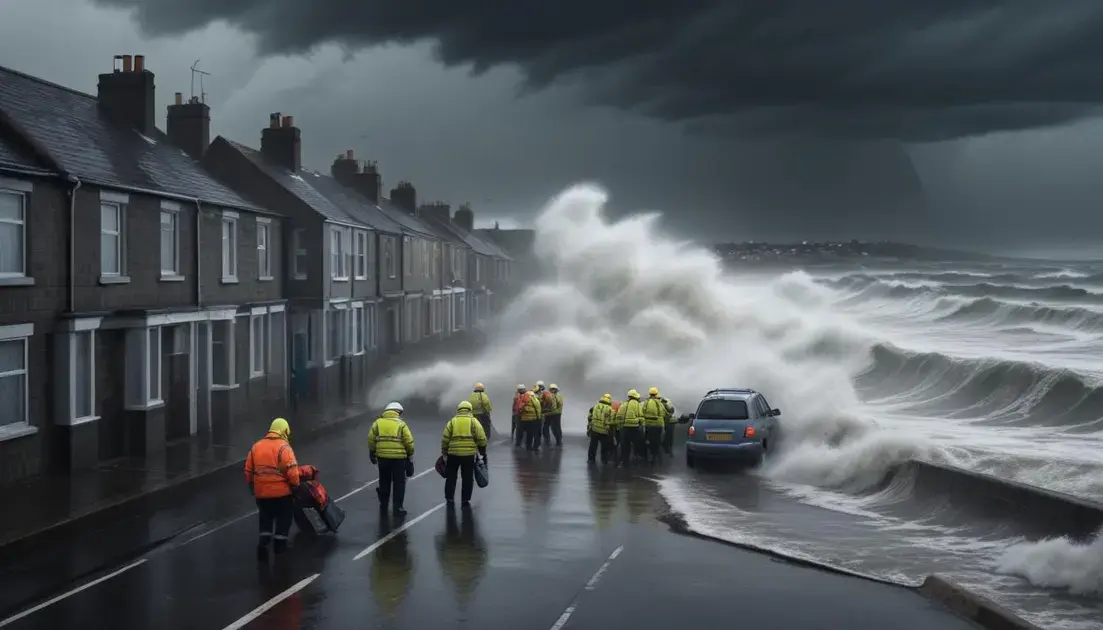
extreme weather warnings affecting coastal communities instruct residents on risk levels and required actions: monitor official alerts, secure property, prepare an evacuation kit, plan routes, support vulnerable neighbours and pets to reduce harm and speed recovery.
extreme weather warnings affecting coastal communities are turning up more often — do you know which alerts mean evacuate and which mean prepare at home? Read on for clear, practical actions and short local examples to help you decide quickly.
how official warnings work and what each alert means
extreme weather warnings affecting coastal communities explain the level of danger and the action you should take. They come from official services to help people stay safe.
Learn the main alert types so you can act fast and protect your family and home.
Alert levels and what they mean
Each alert type tells you how urgent the risk is and the likely impact on your area.
- Advisory: Minor risk. Stay aware, check updates and secure loose items.
- Watch: Conditions may become dangerous. Prepare a go-bag and plan a route.
- Warning: Immediate danger expected. Follow local instructions; consider evacuation.
- Evacuation order / Emergency: Leave now if told. Move to a safe location and follow officials.
Alerts are simple signals. Treat a warning more seriously than a watch. Actions change by level, so match your steps to the alert.
Who issues alerts and how you get them
National and local agencies send alerts, such as the Met Office, environment bodies and local councils. Emergency services use clear wording and defined zones.
- Official apps and SMS messages for your area.
- Local radio, TV and community sirens or loudhailers.
- Council websites and verified social accounts for updates.
Do not rely on a single source. Use two trusted channels so you do not miss a change in status.
Alerts are updated as conditions evolve. Look for the affected area, expected timing and recommended action in each update. If the message mentions flooding, high winds or storm surge, treat it as high priority.
Quick checks to make when an alert arrives
Acting quickly reduces risk. Do a fast scan and follow clear steps.
- Check if the alert covers your exact location and property.
- Note the time window and likely impact (flood, waves, wind).
- Decide whether to shelter in place or move to higher ground.
Tell family or neighbours about the alert and any plan to leave. Help those who may need extra time, like older people or infants.
Keep essentials ready: ID, medicines, phone charger, water and a torch. Secure outside items and move vehicles to higher ground if safe to do so.
extreme weather warnings affecting coastal communities are built to prompt action. By knowing the alert types, checking trusted sources and preparing quickly, you reduce harm and make better choices under pressure.
assessing home and property risks in coastal zones
extreme weather warnings affecting coastal communities mean you should check how your home will cope now, not later. A simple risk check helps you spot the biggest problems fast.
Start with low points and loose items, then move to structural and utility risks you can fix or plan for.
Survey flood lines and ground levels
Know your property’s elevation and the usual flood paths. Look for low doors, steps and drains that let water in.
- Check flood maps and local council advice for your immediate area.
- Measure floor levels against known high-tide or flood markers.
- Inspect gutters, downpipes and drainage points for blockages.
Small changes, like clearing blocked drains or fitting simple barriers, cut the flow of water into a house.
Assess building fabric and wind exposure
Look at roof fixings, windows and outside fixtures that wind can damage. Weak or loose parts break free in storms and become hazards.
- Secure loose tiles, fix or reinforce guttering and check attic vents.
- Fit shuttering or impact-resistant windows if you can.
- Anchor garden sheds, bins and fuel tanks to prevent them becoming projectiles.
Trees close to the house are a risk in high winds. Trim branches that hang over roofs, garages or power lines.
Inside, move valuables and important documents off the ground floor. Put medicines and chargers in a ready bag. Test battery-powered lights and a phone power bank.
Utilities, access and insurance
Think about electricity, gas and water. These systems can be damaged or shut off during a storm.
- Know how to turn off mains water, gas and electricity safely.
- Raise sockets, meters and appliances if your property floods often.
- Check your home insurance for flood and storm cover and update details with photos of your property.
Plan safe access in case roads flood. Keep a map of escape routes to higher ground and note alternative routes if main roads are closed.
Work with neighbours where possible. A community check can spot shared risks like blocked culverts or unstable sea walls before a storm hits.
By prioritising low points, securing loose items, protecting utilities and checking cover, you reduce damage and speed recovery after an event. Simple, timely actions make a big difference when extreme weather warnings affecting coastal communities arrive.
practical evacuation plans: routes, kit and coordination
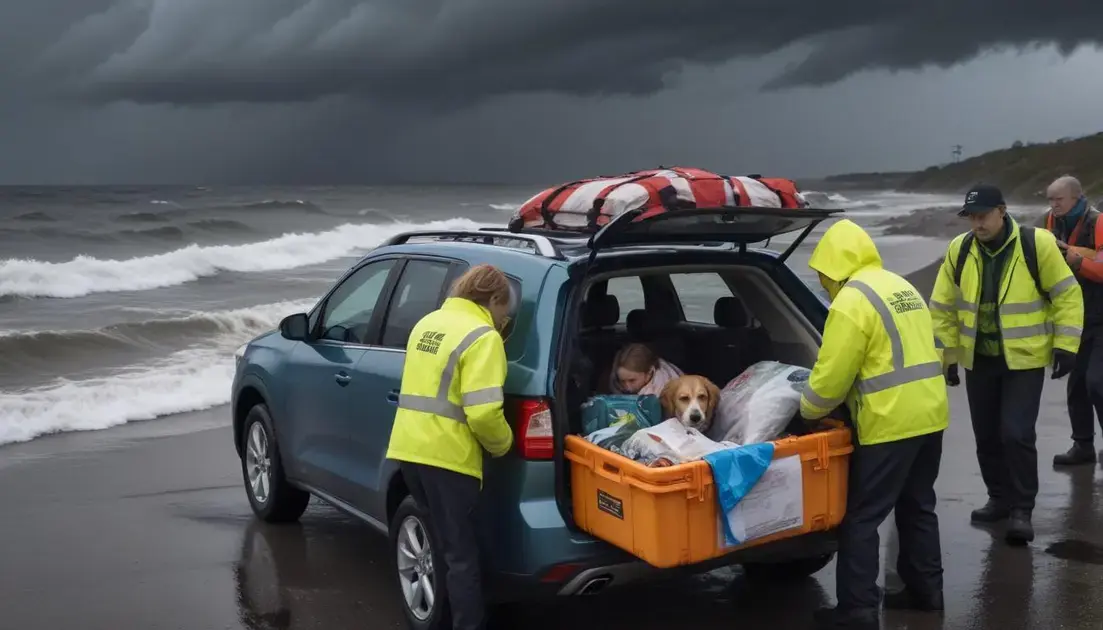
extreme weather warnings affecting coastal communities can force quick decisions. A simple evacuation plan helps you leave calmly and safely.
Decide routes, pack a kit and agree who does what before a storm arrives.
Deciding when to leave
Follow official advice first. If a local authority issues an evacuation, act without delay. If you see rising water or severe damage, move to higher ground early.
- Check local alerts and flood maps for your exact address.
- Note the timing and predicted impact in each warning.
- Plan for mobility limits, pets and people who need help.
Leaving early reduces traffic and stress. Do not wait until roads flood or become blocked.
Route planning and alternatives
Plan at least two safe routes away from the coast. Know roads that flood or close in storms and identify higher-ground destinations.
Keep a paper map or printed directions in case phones fail. Share routes with family and a trusted neighbour.
Avoid low bridges, culverts and known flood hotspots. Mark alternative exits from your street.
What to pack in an evacuation kit
Pack a lightweight kit you can grab quickly. Keep essentials in a waterproof bag or box.
- Essentials: ID, cash, keys, medicines and a list of emergency contacts.
- Supplies: bottled water, non-perishable snacks, torch and spare batteries.
- Communication: charged phone, power bank, radio and copies of important documents.
- Family needs: baby items, pet supplies, spare clothes and basic first aid.
Store the kit by the main exit and check it every season so medicines and batteries stay usable.
Coordination with family, neighbours and services
Agree on a meeting point and a contact outside the affected area. Use a simple checklist so everyone knows their role.
- Set a primary meeting place and a backup location inland.
- Share mobile numbers, routes and the vehicle plan.
- Assign who helps vulnerable neighbours, pets and secures the property.
Register with local councils if you need transport or special assistance. Let emergency services know if someone has mobility or medical needs.
Practise the plan with short drills. Check cars for fuel, park facing the exit and load heavy items first. Keep gates clear for responders and communicate changes by text or call.
Review and update your plan after each season or when household needs change. Simple preparation, clear routes and shared roles make evacuation faster and safer when extreme weather warnings affecting coastal communities are issued.
supporting vulnerable people, pets and community groups
extreme weather warnings affecting coastal communities mean some people will need help fast. Small steps by neighbours and groups make a big difference.
Plan who checks on others, who moves pets and who calls for help before a storm arrives.
identify vulnerable people and their needs
Make a list of older adults, people with mobility limits and those with medical needs. Note language needs and childcare responsibilities.
- Elderly or isolated residents who may need a welfare check.
- People using medical devices, oxygen or regular medication.
- Families with young children or people with dementia who need calm guidance.
Keep contact details, key health notes and a photo of each person in an accessible file for carers and responders.
Agree simple actions: a neighbour will collect medicines, another will help pack an evacuation kit. Short, clear roles reduce panic.
planning for pets and assistance animals
Pets often stop people leaving. Prepare a pet kit and a safe place they can go.
- Pack food, water, a lead or carrier, vaccination records and any medicines.
- Identify pet-friendly shelters or places you can stay inland.
- Arrange transport that can take animals, and a neighbour to help if you cannot move them yourself.
Practice moving pets into carriers so they travel calmly. Keep a recent photo of each animal in case you get separated.
how community groups can coordinate
Local groups and faith centres can act as hubs for information and help. Work with councils to register volunteers and share resources.
- Create a volunteer roster for door checks before and after alerts.
- Pool resources like spare bedding, transport and hot drinks for evacuees.
- Set up phone trees and simple SMS lists for fast warnings and welfare checks.
Train volunteers in safe basic tasks: how to check a property safely, move light items and who to call for medical emergencies.
Register vulnerable people with local council schemes so they receive direct help. Make sure all plans include clear communication, a named contact and a backup route.
Supporting others before and during extreme weather warnings affecting coastal communities saves time and lives. Small, organised actions by neighbours and groups help the most vulnerable stay safe and recover faster.
using tech and local networks to stay informed and respond
extreme weather warnings affecting coastal communities reach people fastest when tech and local networks work together. Simple tools and clear contacts make a big difference.
Use official alerts, community contacts and backup systems so you do not miss vital updates.
official alert channels to trust
Start with national and local services. These messages are designed to be clear and actionable.
- Official apps and SMS alerts tied to your postcode or location.
- Local council websites, verified social accounts and emergency services.
- FM/AM radio and community sirens for power or mobile outages.
Always check the sender and time stamp. If a message seems odd, confirm it on a second official channel before acting.
how neighbours and local groups help
Community networks share local, real-time info that broad services may miss. A quick phone tree or a volunteer check can save time.
- Neighbour check-ins for those who may not use phones.
- Volunteer hubs that gather and pass on verified updates.
- Shared lists of at-risk addresses and agreed meeting points inland.
Keep a simple contact sheet with names, roles and backup phone numbers. Share it with a trusted local group.
setting tech to work for you
Optimise devices so alerts reach you even if the power fails.
- Enable location-based alerts on phones and set loud tones for emergencies.
- Keep a charged power bank, spare SIM or a simple prepaid phone for redundancy.
- Use an AM/FM radio and program local stations for emergency broadcasts.
Automate messages to a family contact outside the area. That person can act as a relay if local networks become overloaded.
Prepare offline too: download maps, save emergency numbers, and print directions to higher ground. Teach family members how to verify a warning and where to look for confirmed updates.
When tech, volunteers and official channels are linked, responses are faster and calmer. Simple routines and clear roles make the difference during extreme weather warnings affecting coastal communities.
extreme weather warnings affecting coastal communities call for quick, simple steps: know the alerts, secure your home, have an evacuation kit, support neighbours and use reliable tech. Small, early actions cut risk and help everyone stay safer.
FAQ – extreme weather warnings affecting coastal communities
What do the different alert levels mean?
Advisory: stay aware; Watch: conditions may worsen—prepare; Warning: danger expected—follow local instructions; Evacuation order: leave immediately if told.
How can I make my home safer before a storm?
Secure loose items, clear gutters and drains, move valuables above floor level, anchor outdoor furniture and check roof and window fixings.
When should I evacuate and how do I choose a route?
Follow official evacuation orders. If water rises or roads look unsafe, leave early. Plan at least two routes to higher ground and keep printed directions.
How do I help vulnerable neighbours and pets during warnings?
Create a list of vulnerable people, assign neighbours to check on them, prepare pet kits with food and records, and arrange transport or shelter for animals.