UK energy price cap debate amid inflation concerns

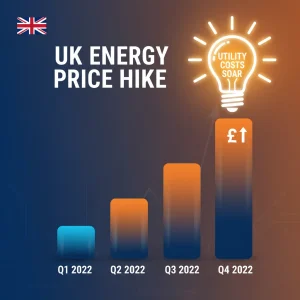
UK energy price cap debate amid inflation concerns centres on whether to freeze, raise or cut the cap as rising wholesale and inflationary pressures drive supplier costs, balancing household bill relief against market stability, supplier solvency and fiscal impact.
UK energy price cap debate amid inflation concerns is heating up — what could it mean for your household bills? Read on to see likely scenarios, who pays and simple actions you can take now.
How the price cap works and who sets it
UK energy price cap debate amid inflation concerns has made it harder to predict household bills. A simple grasp of the rules helps you prepare.
Below we explain who sets the cap, the cost inputs used and how changes can flow through to your bill.
Who decides the cap?
The cap is set by Ofgem, the UK energy regulator. It applies to standard variable and default tariffs and aims to protect typical customers.
Key inputs used in the calculation
The cap is calculated from several clear cost components. Each one shifts the final level.
- Wholesale costs — what suppliers pay for gas and electricity on markets.
- Network charges — fees for transporting energy across the grid.
- Supplier operating costs and margins.
- Policy and environmental costs imposed by government schemes.
These elements are combined to estimate an average household bill for the cap period. Because of timing and data lags, fast rises in costs may only show up at the next update.
How changes reach households
The cap is updated at set intervals. When core costs rise, the cap can go up and push many default tariffs higher. If costs fall, reductions may take time to appear.
- Cap increases often mean higher standard bills fairly quickly.
- Cap freezes give short-term relief but can strain suppliers.
- Cap reductions may lower bills, but not all customers benefit immediately.
Fixed-term deals are usually unaffected until they end. Suppliers can set prices within the cap, and some may change their offers to manage risk. For individuals, small actions can still make a difference.
Inflation influences many cost inputs, so the broader economic picture matters. Policymakers weigh the impact on households against risks to suppliers and the energy market.
Knowing how the price cap is set and who sets it helps you spot likely changes and take practical steps, such as checking your tariff or cutting usage.
Inflation’s effect on suppliers, bills and risk
UK energy price cap debate amid inflation concerns makes supplier costs and household bills harder to predict. A clear view of the links helps you understand who bears the risk.
Here we break down how rising prices affect suppliers, how bills move, and the main risks to the market and customers.
Supplier costs and margin squeeze
Suppliers buy fuel on wholesale markets, pay to run operations and face borrowing costs. When inflation rises, these inputs often climb too.
Higher wholesale prices and rising wages squeeze margins. Smaller suppliers can struggle to cover sudden spikes.
How bills change for households
The price cap limits what many customers pay, but it is updated periodically. That timing creates a lag between cost changes and bill moves.
- When costs jump fast, the next cap update often raises standard tariffs.
- Cap freezes delay relief but shift risk to suppliers.
- Fixed deals stay the same until they end; variable customers feel changes sooner.
- Some regions or customer types may face sharper impacts.
Timing matters: data used to set the cap is historic, so sudden inflation can hit suppliers before it shows in the cap.
Rising input costs also increase the chance that some suppliers will tighten offers or exit the market. That can reduce choice and push remaining firms to hedge more aggressively.
Risks to market stability
Regulators balance shielding households with keeping suppliers solvent. A prolonged mismatch between costs and allowed prices raises default risk.
Supplier failures create disruption and can push short-term costs up for all customers if new firms must buy energy at higher spot prices.
Policy responses — like temporary support or changes to the cap formula — aim to ease shocks but may have trade-offs, such as higher public spending or longer-term price pressures.
For consumers, the key is to watch updates to the price cap, compare tariffs and consider energy-saving steps. Small changes at home can reduce exposure while the market adjusts.
Scenarios: what a cap freeze, rise or cut means for households

UK energy price cap debate amid inflation concerns raises clear what-if questions for households. Understanding a cap freeze, rise or cut helps you plan bills and choices.
Below we map likely effects of each scenario and simple steps you can take if costs move one way or another.
Cap freeze: short-term relief, hidden risks
A freeze keeps the allowed maximum price steady for a set period. For many households this feels like an immediate win.
- Standard variable tariffs may not rise, so monthly bills stay stable.
- Suppliers face squeezed margins if wholesale costs keep rising.
- Risk of supplier exits can increase, which may disrupt service for some customers.
- Government may need to provide support to prevent market strain.
While a freeze helps families now, it can shift costs into the future or create pressure on the market. That makes monitoring and energy-saving important.
What a cap rise means for your budget
A rise usually follows higher wholesale costs or inflation. That feeds through to many default tariffs and makes budgeting harder.
Variable customers typically feel changes sooner than those on fixed deals. A sharp rise can push some households into hardship if wages do not keep pace.
Simple steps can ease the impact: compare tariffs, switch if a better deal exists, and cut avoidable use at home. Small switchable habits add up.
Cap cut: lower bills but limited reach
A cut reduces the ceiling and can lower default bills. However, not all customers benefit straight away.
- Variable tariff holders usually see quicker savings.
- Fixed-term contracts remain at their agreed price until they end.
- Suppliers may respond by adjusting offers or margins, affecting market choice.
Even with a cut, regional differences and past hedging deals mean impacts vary. A cut helps wallets but does not erase prior debt or arrears.
Timing, supplier strategy and wider inflation all shape how each scenario plays out. Watch official cap updates and use straightforward steps—check your tariff, boost home efficiency, and seek support if needed.
Policy options and political pressures shaping the debate
UK energy price cap debate amid inflation concerns is forcing choices between short-term relief and long-term stability. Policymakers face pressure to act in ways that help households without breaking the market.
Below we outline common policy options, the political forces behind them, and what each path might mean for consumers and suppliers.
Fiscal support and direct help
Governments can offer targeted payments or broad bill relief to ease immediate pain for families. These tools help quickly but can be costly.
- One-off payments or rebates to low-income households.
- Temporary bill credits or capped charges for a set period.
- Lowering VAT or suspending certain levies to cut costs at the meter.
- Grants for home efficiency upgrades to reduce demand over time.
Such measures are popular politically because they deliver visible help. Yet they may require extra spending and can raise debates about fairness and timing.
Regulatory changes to the cap
Regulators can tweak the cap’s formula, update its timing or change the data used to set it. These moves affect how quickly cost changes reach consumers.
A faster update cycle can bring bills closer to real costs, while a revised formula might smooth shocks. Both options carry trade-offs between protecting households and keeping suppliers solvent.
Market stability and supplier support
Another route is to support market stability so suppliers can meet demand without failing. This limits disruption but may mean government or regulator intervention.
- Liquidity facilities or emergency credit lines for struggling suppliers.
- Rules to improve wholesale market transparency and hedging.
- Temporary guarantees to prevent sharp exits from the market.
These steps aim to reduce short-term shocks but can create moral hazard if firms expect repeated bailouts.
Political pressures shape which options policymakers prefer. Near elections, visible household help may be favoured. In quieter times, longer-term reforms that balance the interests of consumers and firms can gain more traction. Lobbying by suppliers, public opinion on rising inflation, and media coverage all push decisions in different directions.
Choosing between immediate relief and durable fixes is hard. The right mix often combines targeted support for the vulnerable, measured regulatory tweaks, and measures that boost market resilience while keeping an eye on cost and fairness.
Practical steps consumers can take now to reduce costs
UK energy price cap debate amid inflation concerns makes small savings more valuable. Simple steps now can lower bills whatever happens to the price cap.
These actions are easy, low-cost and can reduce your exposure to rising costs.
Check your tariff and switch
First, confirm if you are on a fixed deal or a default variable tariff. Variable customers often feel changes sooner.
Use an accredited comparison site to compare deals, and consider switching if a clear saving appears. Remember exit fees on fixed plans.
Use meters and smart tools to track use
Smart meters and in-home displays show real-time consumption. That makes waste easier to spot and fix.
- Read your smart meter daily to spot spikes.
- Set alerts on apps for high use periods.
- Use smart plugs to turn off standby devices automatically.
- Time heavy appliances for cheaper periods if your tariff allows.
Small, steady actions can cut a surprising amount of energy. Turn thermostats down by 1°C, wash clothes at 30°C and only run full loads.
Seal draughts around doors and windows with simple draught excluders. Fit LED bulbs and use a slow cooker or microwave for some meals to save on oven use.
Make the most of help and payment options
Check if you qualify for grants, the Warm Home Discount or local schemes for insulation and boiler repairs. These can give larger, lasting savings.
- Ask your supplier about flexible payment plans or debt support.
- Explore government or council grants for insulation or heating upgrades.
- Check charity and advice services like Citizens Advice for emergency help.
For prepayment customers, topping up smartly and checking tariffs can avoid higher costs. If you struggle, contact your supplier early to agree a manageable plan.
Habit changes add up: reduce standby, limit heating in unused rooms and set timers for hot water. Track progress and reward small wins.
Overall, act on easy checks, use smart tracking, claim available help and adopt a few lasting habits to lower bills while the market adjusts.
The main takeaway is simple: small, steady actions can ease the pain of rising energy costs. Check your tariff, track use with smart tools, make cheap home upgrades and seek help if needed. Keep an eye on cap updates and act early to protect your budget.
FAQ – UK energy price cap debate amid inflation concerns
What is the UK energy price cap and who sets it?
The price cap is a limit on what suppliers can charge default and standard variable customers. It is set by Ofgem, the UK energy regulator.
How does inflation affect energy bills and suppliers?
Inflation raises wholesale, wage and borrowing costs. That squeezes supplier margins and can push the cap up later, risking higher bills or supplier exits.
What does a cap freeze, rise or cut mean for my household?
A freeze gives short-term relief but can strain suppliers; a rise increases many bills quickly; a cut lowers default tariffs, though fixed deals stay unchanged until they end.
What practical steps can I take now to reduce costs?
Check and switch tariffs, use a smart meter or apps to track use, make small efficiency upgrades (LEDs, draught proofing) and seek grants or payment support if needed.